



Artificial Players
Whether they are games of strategy or chance, games are a privileged training ground for algorithms. Illustration of the irresistible march of computer science progress, the recent victory of a computer over a human champion at the game of go should not, however, deceive: the challenge is not merely to make the machine win, but above all to explore new avenues. It is with this logic that a private laboratory relies on bridge to develop an artificial intelligence capable not only of winning, but above all of explaining what it does. An approach that brings back into the spotlight the simulation of human behavior, neglected in recent years in favor of the exploitation of massive data.
All articles in this folder
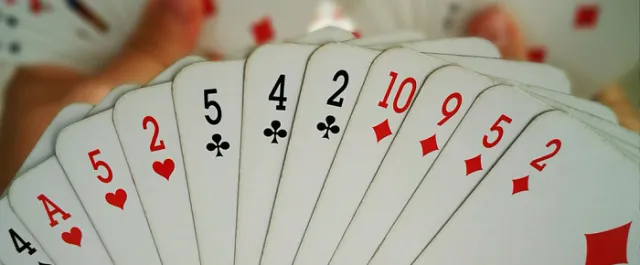
Bridge opens up a promising future for AI
Bridge is one of the few games to have resisted advances in computing. To crack it, a French academic is preparing to overturn received wisdom about AI development and take it to a new level, opening the way to fresh challenges.

How to simulate human behavior | Tangente
In video games, the challenge is to simulate human behavior so that users feel they are facing other players. Designing an artificial character is not simply a matter of optimization.
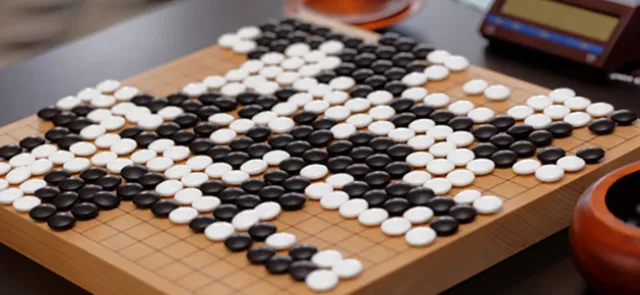
Go: the triumph of deep thought | Tangente
Go is the quintessential game of pure strategy. Chance plays no part in it. Until very recently, it remained the preserve of human intelligence, but computers eventually established their strategic superiority here too, twenty years after their triumph at chess.