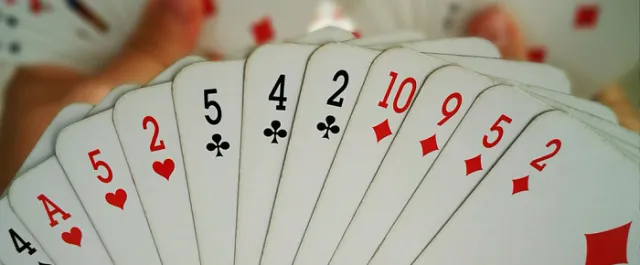
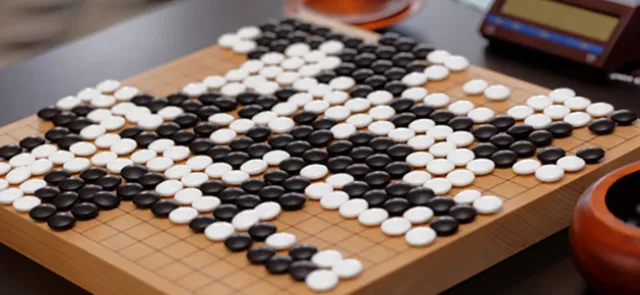
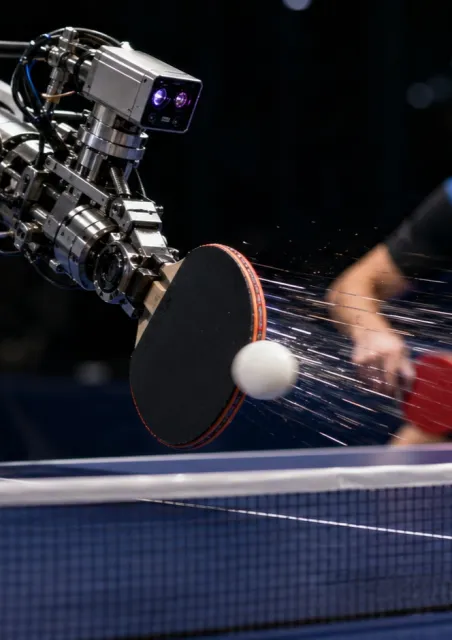
Because they are easier to study and model than the real world, games are a favorite testing ground for artificial intelligence research. In these closed, rigorously defined worlds, where the rules are explicit and the objectives unambiguous, it is easier to design "artificial players": machines and computer programs capable of playing… chess, video games, role-playing games, and so on.
But what does "playing" mean for a machine? And, for that matter, what does "playing intelligently" mean? Whether we see a game as a competition or as an interaction determines what we expect artificial intelligence to achieve. Should we design powerful machines capable of beating the best chess players, or perhaps less powerful ones that can interact coherently and sensibly with humans, as in adventure or role-playing games?
There are two approaches: a competitive view of games, in which the machine aims to find optimal strategies for solving a rational problem—this is optimization; and an interaction-based view, in which the machine must pass itself off as another human being, reproducing our hesitations and weaknesses so that it can communicate and interact with us convincingly—this is simulation.
Régis Catinaud is a project manager at Ateliers ludosophiques in Montpellier (Hérault).
Robin Lamarche-Perrin is a CNRS research fellow at the Institut des systèmes complexes de Paris.
-
Optimizing to win
------------------