



Figurate numbers
Square numbers, cubic numbers, pyramidal numbers, oblong numbers, pentagonal numbers, hexagonal numbers… A wealth of integers can be arranged in elegant regular geometric figures. Any change of perspective that makes it possible to move from an arithmetic representation to a geometric representation (and vice versa) is fruitful and leads to many puzzles… not always easy. You probably think everything has already been said and repeated (including in Tangente!) about figurate numbers. Wrong! Are you familiar with the work of Renaissance mathematician Francesco Maurolico? With this feature, you will rediscover arithmology!
All articles in this folder

A new life for figurate numbers
Figurate numbers entered Arabic mathematics through Thabit ibn Qurra’s translation of the work of the mathematician and philosopher Nicomachus of Gerasa. Thabit’s name is associated with Thebit numbers (the "e" replacing the "a" in medieval Latin transcription).
An inventory of arithmetic puzzles | Tangente
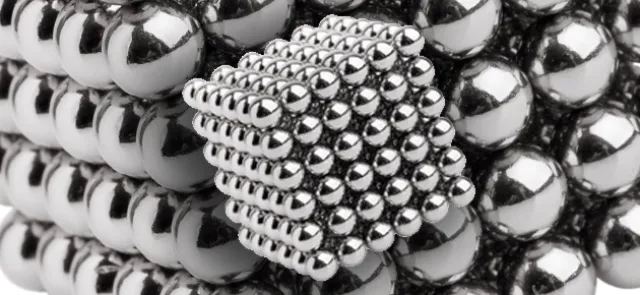
Figurate numbers, which provide a visual representation of integers, form a wonderful bridge between geometry and arithmetic. Some properties in either field can be reformulated in the other, and vice versa! New questions naturally arise…
Francesco Maurolico's extensions
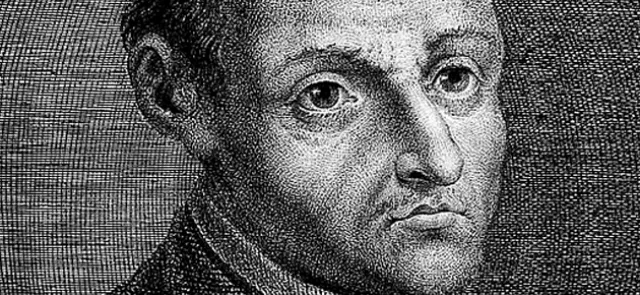
A member of a Greek family that emigrated to Sicily after the fall of Constantinople, Francesco Maurolico was born in Messina in 1494 and died there in 1575. He entered the Church at the age of 27, proposed an extension of figurate numbers, and established many of their arithmetic properties.
A form of harmony between geometry and arithmetic
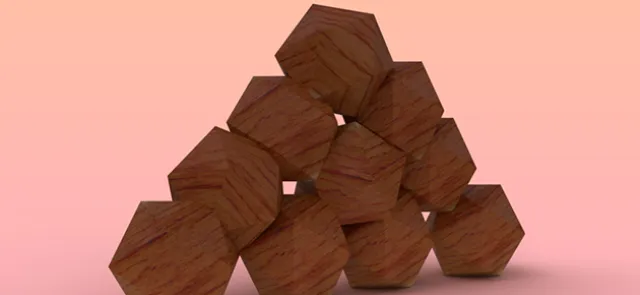
Many mathematicians have taken an interest in figurate numbers. But their concerns have not always been the same! In ancient times, people sought to construct and represent numbers using counters. The resulting shapes illustrate a host of arithmetic relationships.