Maths et cinéma
Cinema was made possible by the determination of great visionary pioneers combined with technological advances. How to create a special effect or illusion on the big screen? How to suggest a curve, evoke a shape, make movement and the third dimension visible? The pioneers - the Lumière brothers, Méliès... - used theatrical tricks. Today, we use mathematics! Morphing and fractal imaging are taking the lion's share in an industry that increasingly calls upon geometry, topology and algorithmic techniques. Aspiring graphic designers and future special effects creators, get your maths ready!
All articles in this folder
Mathematics in fiction films
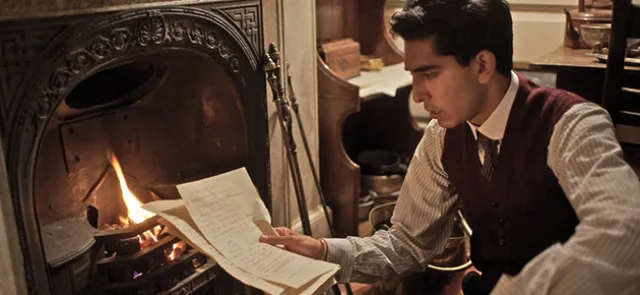
The world of mathematics is sometimes represented on screen, with varying degrees of success. Films offer a jumble of simple plot devices, biopics, realistic or imagined depictions of the mathematical world, and even the scientific fiction theorized by Denis Guedj.
Three camera forerunners: from Marey to the Cinematograph
The pioneers of cinematography used objects that were sometimes unusual, which you can still admire at the Musée des arts et métiers (60 rue Réaumur, 75003 Paris).
Georges Méliès: special effects, anamorphosis and maths
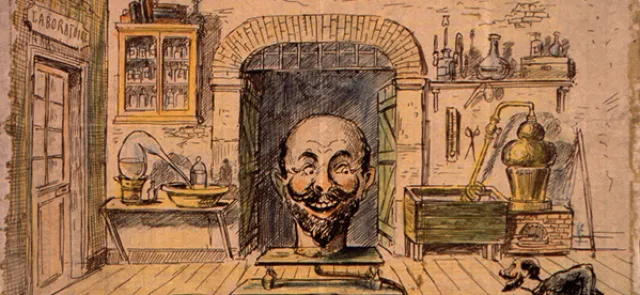
Georges Méliès is often described as the creator of cinematic spectacle, while the Lumière brothers are the inventors of the cinematograph. In fact, Méliès was passionate about technology. He found solutions to problems that can readily be expressed in mathematical terms.

Fractals in film: from geometry to special effects
Fractal geometry was central to the earliest computer-generated imagery on the big screen. The study of self-similar forms found in nature gave rise to the first computer-generated images… and thus spawned an entire entertainment industry!
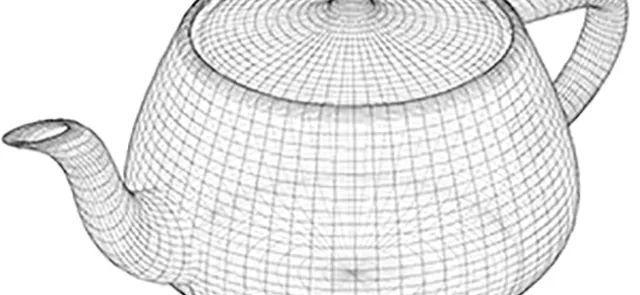
Special effects
Computer-generated imagery (sometimes called "3D") makes it possible to create fictional worlds on a computer, whether ultra-realistic or cartoon-like, according to the wishes of graphic designers, filmmakers and artists… But how do you create a world? With mathematics!
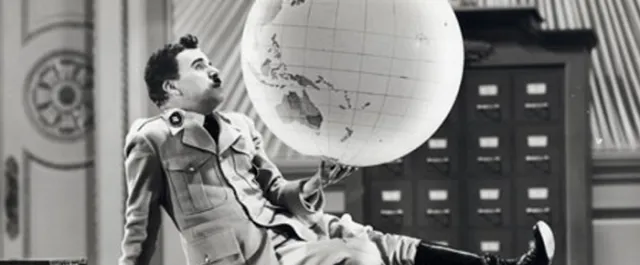
Charlie Chaplin's polynomial
Representing the motion of an object, such as a ball, in a film is now within everyone's reach thanks to new technology! Here is an example based on a famous scene from the silver screen, with the help of a graphing calculator...