



Political commitment
Laplace is the perfect example for refuting the idea according to which scientists, inaccessible and walled up in their ivory tower, are comfortably isolated from the world around them. Although he stayed away from revolutionary turmoil, he nevertheless became involved in politics. As senator and chancellor, he signs, for example, the deposition of Napoleon. Beyond this, his position at the Academy of Sciences and his commitment allow him to be at the heart of the development of the Grandes Écoles in France. This aspect of his life still remains little studied by historians.
All articles in this folder
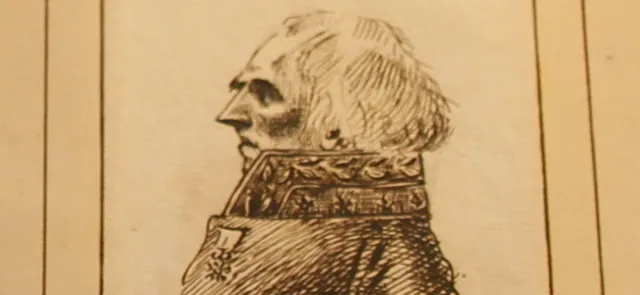
Laplace, unloved by historians: an ambiguous portrait | Tangente
Although Laplace's scientific work is recognized worldwide, his political role remains controversial and is sometimes disparaged. Historians often judge him harshly—when they do not ignore the scientist altogether. Does this reflect a French difficulty in finding a place for science in the shared cultural imagination?
Laplace's role in Napoleon's deposition | Tangente
Laplace the scientist, but also Laplace the politician: on March 31, 1814, Paris surrendered as coalition forces reached its gates. Raised to the highest honors by the emperor, Laplace hesitated over signing Napoleon's deposition. Let's follow his inner struggle.
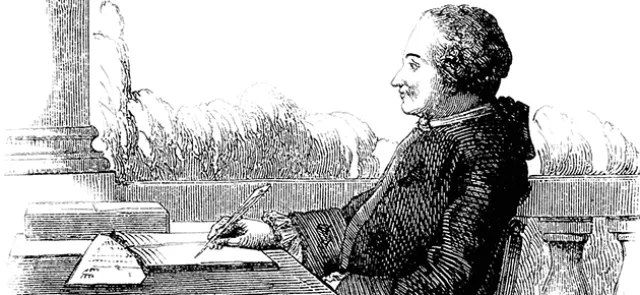
A pedagogical interest in transmitting knowledge
An exceptional scientist, Laplace was also a driving force behind the development of education at the highest level, helping to devise curricula and concerned that mathematics teaching should not be detached from philosophical reflection.