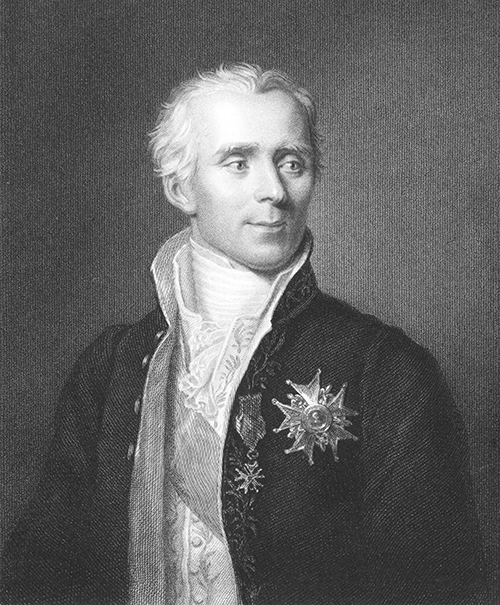
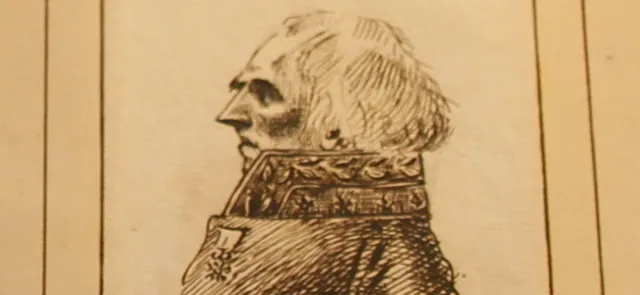
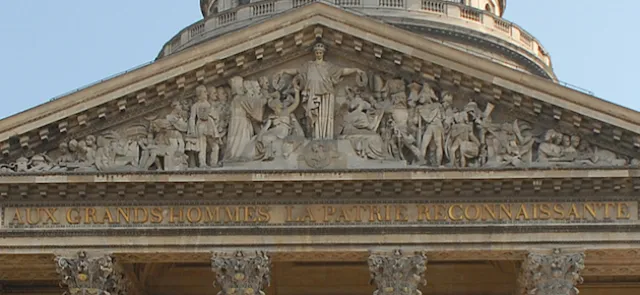
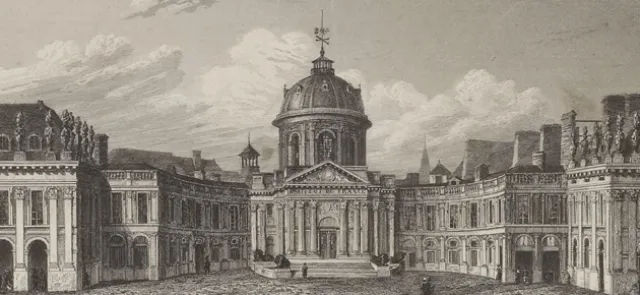
Laplace's "conservatism" regarding the stability of the solar system is well established, as is his conservative stance in the Chamber of Peers when Louis XVIII arrived in Paris—a chamber in which the mathematician had sat since June 1814. The vast majority of the members of the Conservative Senate, including the geometer Gaspard Monge (1746–1818), likewise moved to the Chamber of Peers.
As chancellor, Laplace found himself in a delicate position when this political body voted to depose Napoleon and officially annulled all oaths of allegiance to the emperor. Several articles were passed on April 2, 1814:
"Article 2. The French people and the army are released from their oath of allegiance to Napoleon Bonaparte."
Laplace was not present at the time. Let's look more closely at this removal from power, which admittedly amounted to betrayal in the eyes of the Empire's die-hard supporters—of whom there were still some—but was a carefully considered constitutional act intended to ensure the stability of institutions. This, in essence, is how Laplace's political role in this minor yet revealing episode may be described.