



Women and mathematics
Women are underrepresented in the population of mathematics users, from high school to highly qualified scientific jobs. What is the origin of this asymmetry? Gender stereotypes, deeply rooted in people's minds, contribute to this. How can we remedy this? Should quotas be imposed, or language formulations such as inclusive writing? Associations, like Women and Mathematics, work to change mindsets. Nevertheless, talented women have taken their place at the highest levels in key institutions or associations, paving the way for a desirable evolution. N.B. You may also read: - in Tangente Éducation 44, a dossier on the same subject, focused on girls/boys equality in school; - on the website www.infinimath.com/femmes-en-maths, a compilation of all previous Tangente articles on the subject, updated by their authors.
All articles in this folder
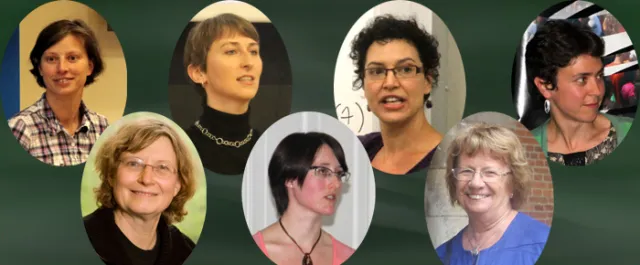
The women shattering the glass ceiling
Women are underrepresented in scientific careers and leadership positions. Yet some are at the helm of organizations across the mathematical world. We shine a spotlight on the women leading associations, learned societies, businesses and more.
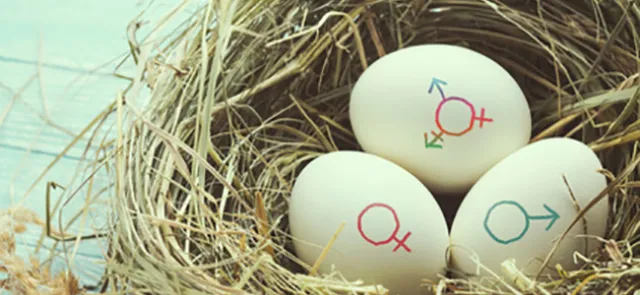
Gender balance in mathematics: an urgent priority
Although progress has been made in recent years, women remain underrepresented among those who use mathematics, from high school through to highly skilled scientific jobs. What lies behind this imbalance?
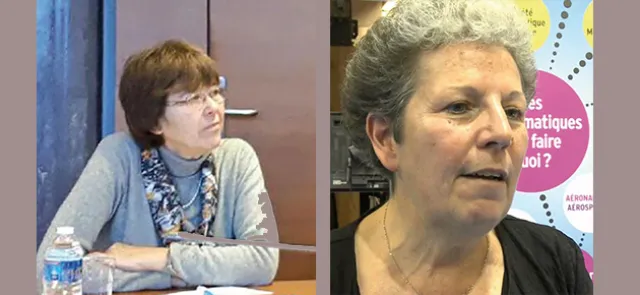
Taking action against gender stereotypes
We met Véronique Slovacek-Chauveau and Annick Boisseau, the vice-president and secretary, respectively, of Femmes et mathématiques, who kindly agreed to answer our questions.

Inclusive writing: a linguistic and mathematical issue
What is inclusive writing, one of the initiatives aimed at combating sexism?

And you find that funny? Humor and mathematics
Sexist stereotypes die hard, even in mathematics, which one might have thought immune to such irrational fears and baseless preconceptions. Let's turn them on their heads with a little humor!