



Women's education
In the 19th century, in France, school gradually took on the role we know today and, thanks to various feminist movements, people came to believe that it would be useful for girls to attend as well to learn to think for themselves too. From then on, there was a need for mathematics teachers and a women's aggregation in mathematics was created. In parallel, opportunities opened up in England, the United States and Germany. Across the Atlantic, Bryn Mawr University, reserved for women, became a highly dynamic center that trained generations of female mathematicians. In Germany, the University of Göttingen welcomed an increasing number of young female researchers.
All articles in this folder
 Podcast
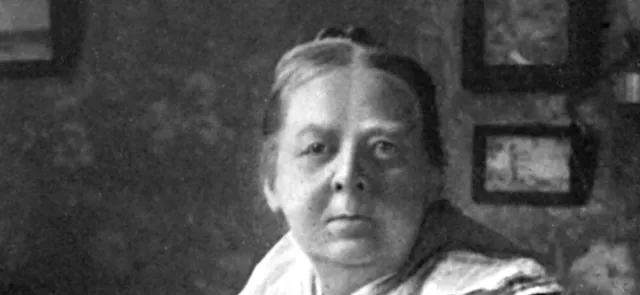
Mary Everest Boole and modern education
Mary Everest Boole should not be reduced to her role as the wife of her illustrious husband. Not only was she a genuine mathematician, but her work as an educator, bringing mathematics to girls, was both highly original and remarkably modern. Her influence can still be felt today.
 Podcast
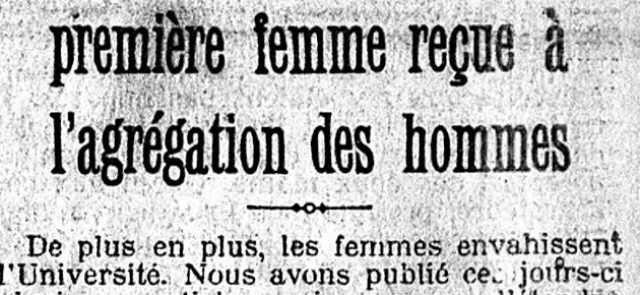
The first women to pass the agrégation in mathematics
Camille Sée's Law of 21 December 1880 on secondary education for girls created a need for women teachers. Although Liouba Bortniker could have taken the women's mathematics agrégation, in 1885 she passed the standard agrégation instead.
 Podcast
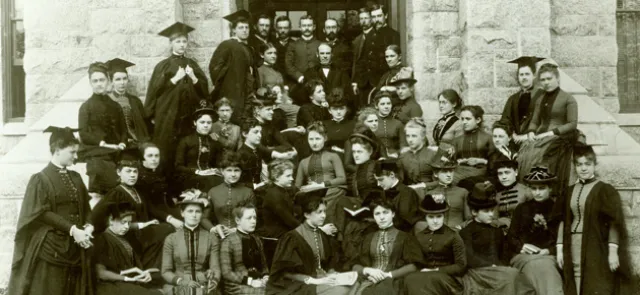
Bryn Mawr: a revolution in America
Founded in 1885, Bryn Mawr College in Pennsylvania is a women's college and a leading center for mathematical research. Charlotte Angas Scott played a central role there and helped create the "golden triangle" linking Bryn Mawr, Girton and Göttingen.
 Podcast
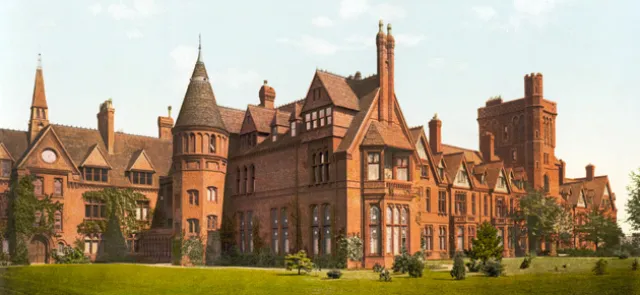
The struggle for acceptance of women mathematicians at Cambridge
At Cambridge, women students such as Sarah Woodhead, Charlotte Angas Scott and Philippa Fawcett could sit mathematics examinations unofficially, yet despite their brilliant results, they were not awarded degrees. The resounding vote of 1897 even confirmed that they would remain barred from receiving them.