


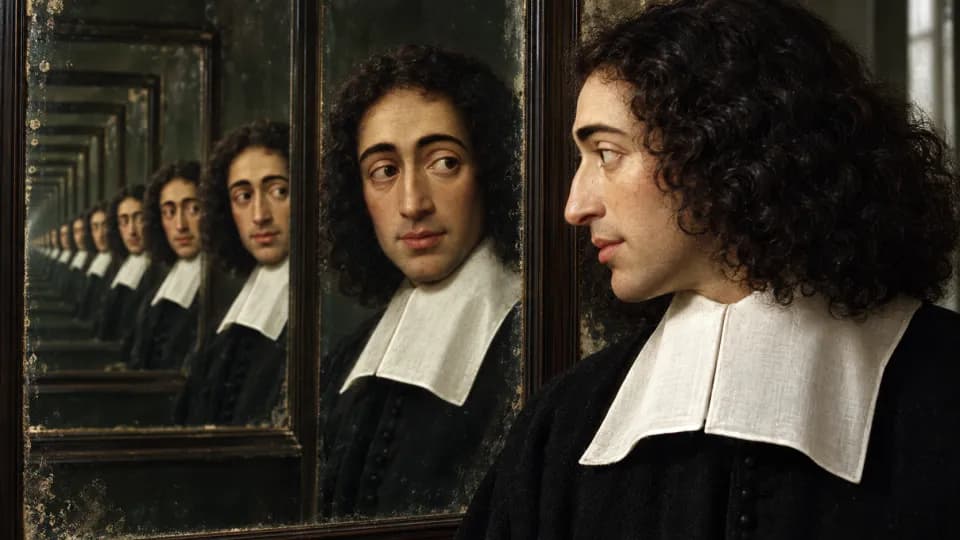
Chez Spinoza, Dieu ne fait qu'un avec la Nature, et se confond avec la puissance infinie qui se déploie à travers tout ce qui existe. L'infini n'y est pourtant pas l'indéfini : il exprime la perfection d'une réalité sans bornes. Dans sa Lettre sur l'infini, Spinoza insiste sur la nécessité de distinguer « entre ce que nous pouvons seulement concevoir par l'entendement, mais non imaginer, et ce que nous pouvons aussi nous représenter par l'imagination ». Il explique que, alors que l'imagination ne peut pas distinguer les objets au-delà d'un certain degré de complexité, elle semble cependant pouvoir franchir sans difficulté les bornes de l'étendue, en s'autorisant toujours à aller au-delà d'un point atteint.
Mais cette puissance est en réalité illusoire car, selon Spinoza, l'imagination ne saisit qu'une répétition indéfinie du fini, secrètement marquée par la limitation. Or là où l'imagination fragmente et compose, l'entendement saisit d'un seul acte l'infini authentique et incomposé. Le « mauvais infini » est lié à la quantité, au sens d'un processus lié au nombre, alors que l'infinité de Dieu est qualitative, c'est-à-dire sans degré.
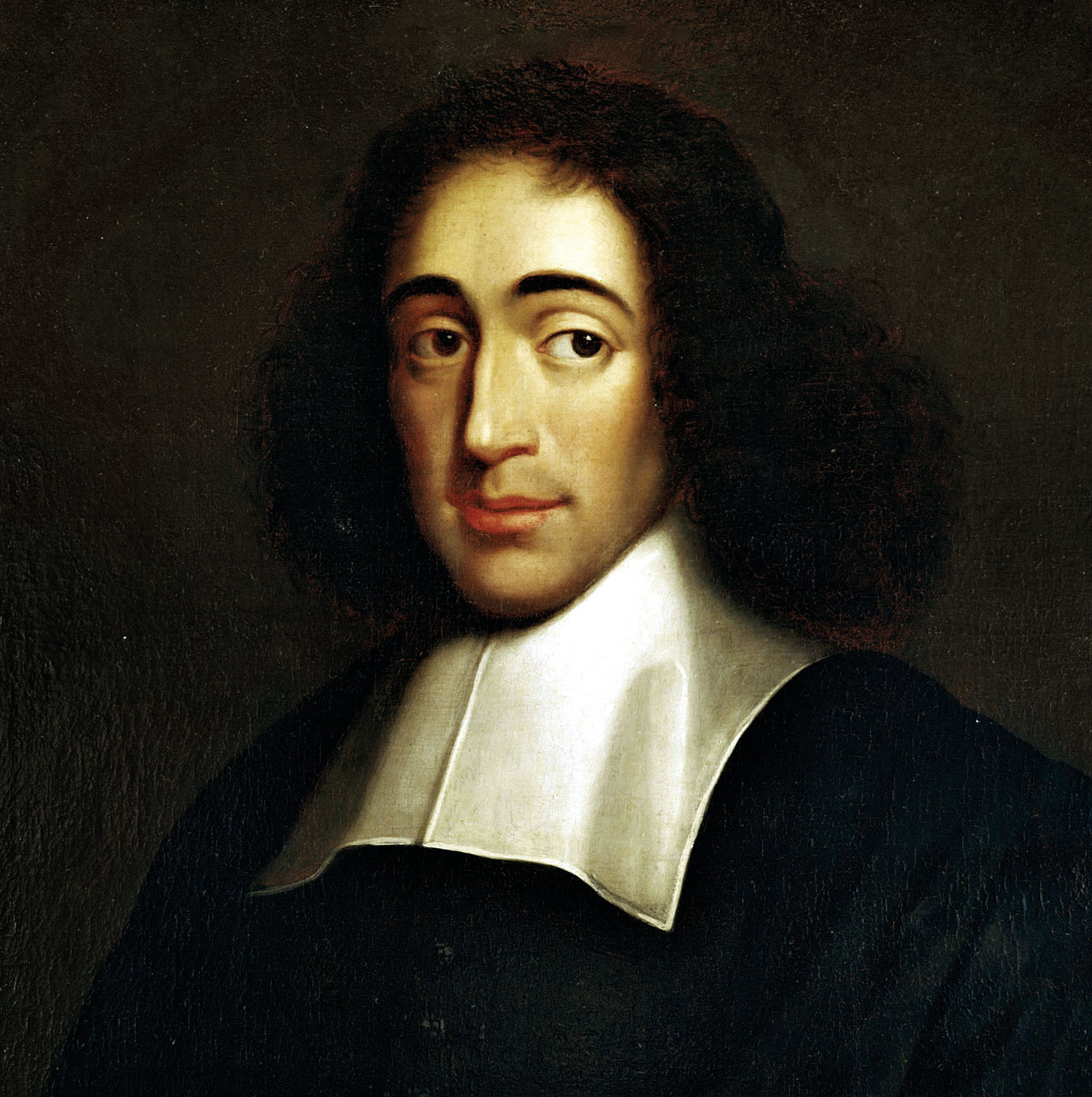
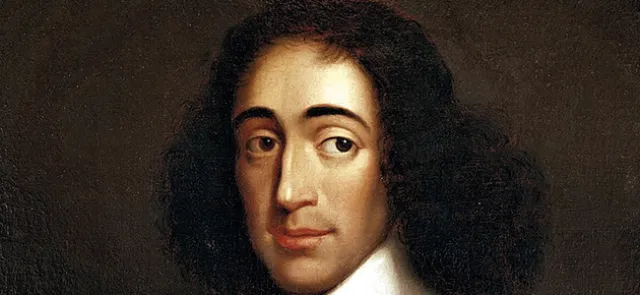
Baruch Spinoza (1632-1677). Philosophe rationaliste, il est honoré par Hegel au XIXe siècle, qui déclare : « L'alternative est : Spinoza ou pas de philosophie. ». ©PD-Art