Nowadays, double-blind trials comparing a treatment with a placebo are commonly used to assess the effectiveness of a drug or therapy. Medical treatments, whether effective or not, have a long history. The history of placebos is much more recent; it apparently began in Connecticut in the late 18th century.
The "double-blind" approach
---------------------------------
Around 1795, an American physician, Elisha Perkins, used small metal rods to relieve all manner of ailments simply by passing them over the nerves in inflamed areas of the body. These instruments, known as Perkins tractors, became so famous—thanks to the efforts of the inventor's son Benjamin—that word of them reached John Haygarth (1740–1827), a physician and epidemiologist. He devised a statistical test to determine empirically whether the tractors had any real effect.
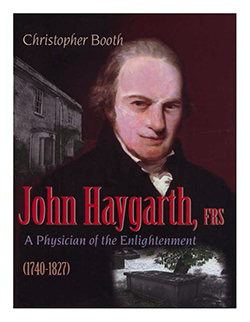
Haygarth's original method was what is now called a double-blind trial, in which neither the patient nor the experimenter knows the exact nature of the product being used. Tests conducted independently by two physicians at two separate hospitals revealed no significant difference between genuine and imitation tractors.