Le théorème des cinq cercles de Miquel | Tangente
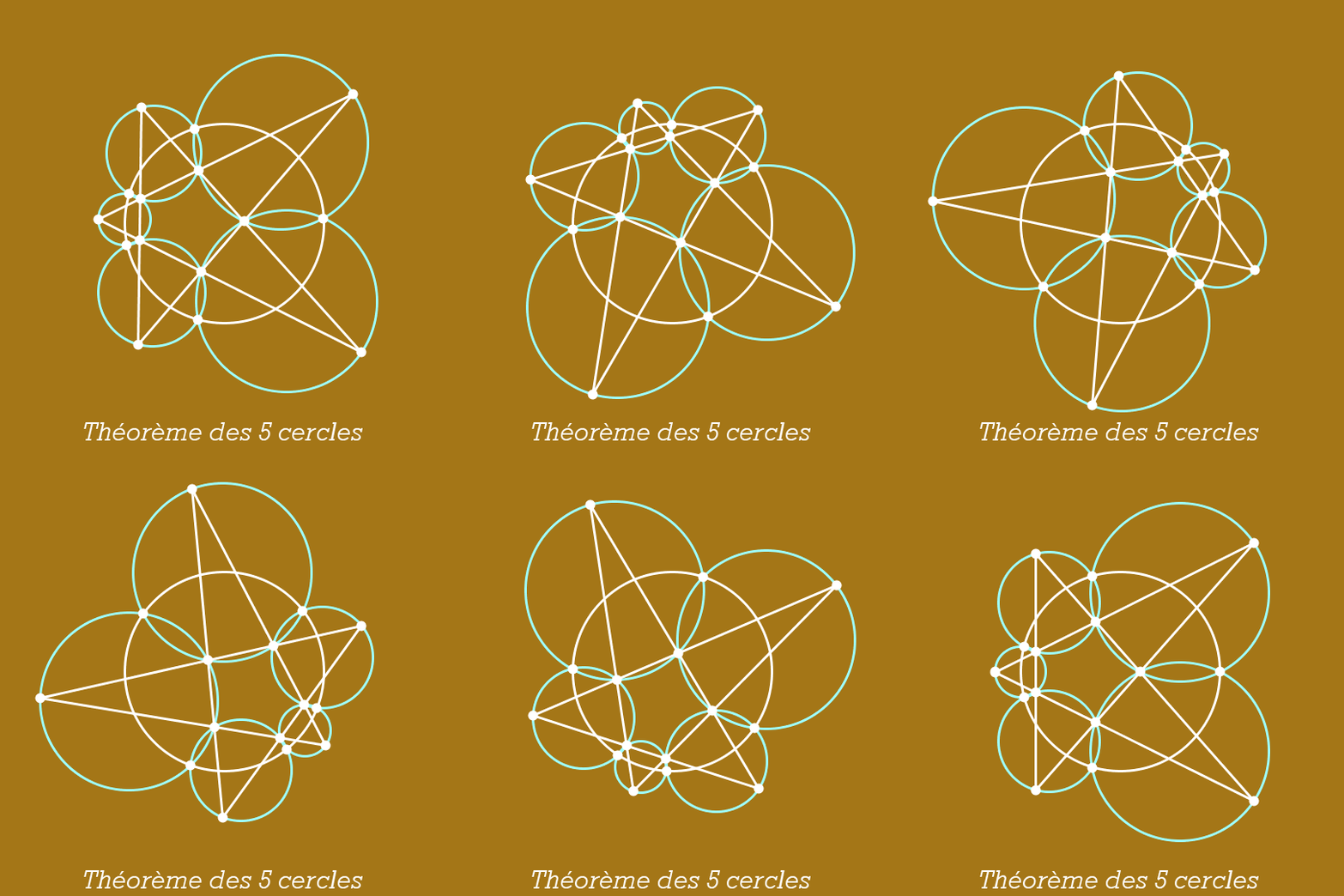
Le théorème des cinq cercles


This article is not yet available in English; the French version is shown.


Articles recommended for you.

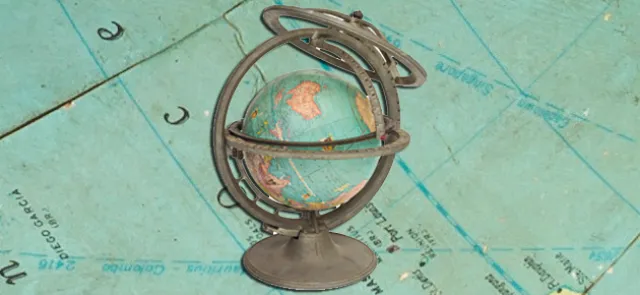
Understanding the shape of the planet we live on, and then depicting it, has been an adventure since the earliest days of antiquity. At every stage, the model has been refined and improved, drawing ever closer to the one we use today: the geoid.

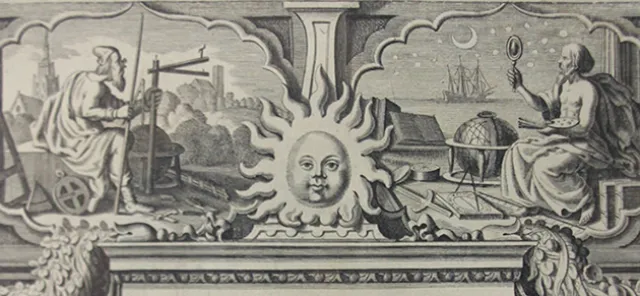
Two postulates in Euclid's Elements embody the ideal conception of the straightedge and compass inherited from Plato's realm of Ideas. The Alexandrian scholar built much of plane geometry—and the constructions he bequeathed to us—on these two postulates.

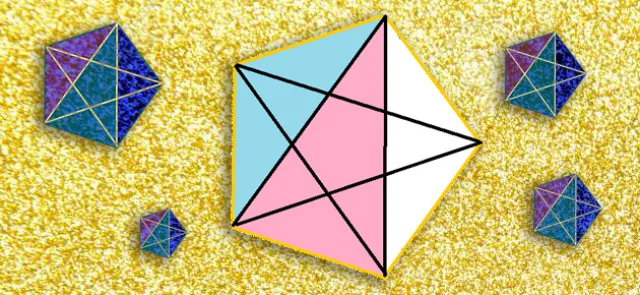
Proportionality often brings to mind the rule of three—in other words, a method of calculation. Yet the concept first emerged in geometry, through the study of similar figures, a cornerstone of many theorems that gave rise to the idea of incommensurable quantities.

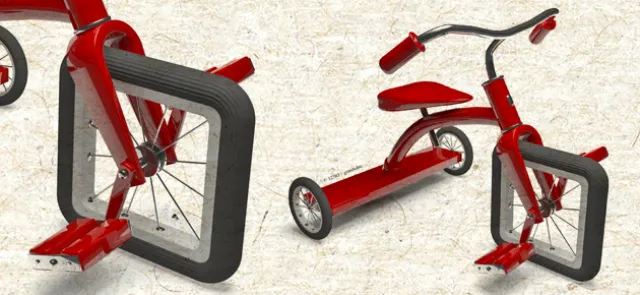
Surprisingly, wheel and road profiles can be tailored so that the wheel’s axle remains at a constant height, ensuring maximum comfort for the traveller.