



A place in History
Arab-Muslim mathematics hold particular importance for their heritage: the Latin translations that were made from them allowed the West to rediscover ancient texts but also and especially to benefit from the advances made by scholars from the lands of Islam. Sometimes, these Latin translations made it possible to preserve the core of certain Arabic texts whose original is today lost. However, one should not overlook the mathematical developments after what is often characterized as the "golden age" of Arabic science, which continue to be nourished by fascinating cultural exchanges.
All articles in this folder
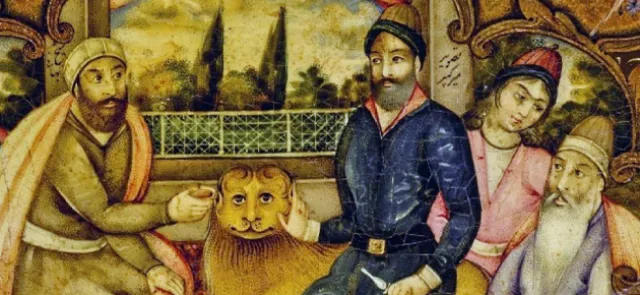
Arab mathematics after its golden age | Tangente
When we think of Arab mathematics, we think mainly of what was produced in the Middle Ages. Yet it continued to exist in later centuries. This sometimes meant the continuation of a tradition, but also translations into Arabic of texts written in European languages.
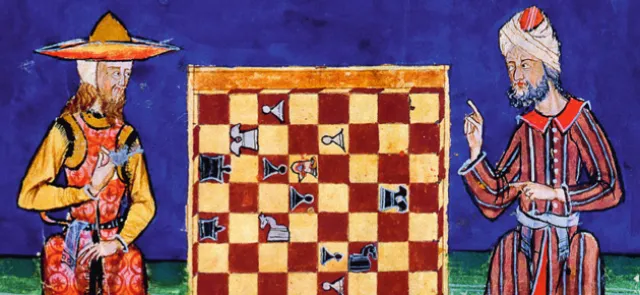
Arabic-Latin translations in the 12th century | Tangente
A movement that began in the twelfth century, the Latin translations and adaptations of Arabic mathematical texts were not merely a bridge between ancient Greek texts and the medieval West: they were also an opportunity to benefit from the formidable advances made by the Islamic world.
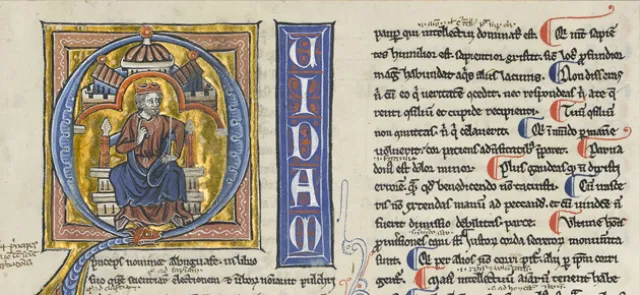
Gerard of Cremona, portrait of a translator | Tangente
The Latin translation movement of Arabic mathematical texts is marked by the towering figure of Gerard of Cremona. His monumental body of work brought a scientific revival to the Latin West.

Al-Khwarizmi's lost manuscript | Tangente
Al-Khwārizmī is widely known as the father of algebra or as the scholar who introduced Indian numerals to the Arab world. Less well known is that the manuscript of his Livre de l’addition et de la soustraction d’après le calcul indien (Book of Addition and Subtraction According to Indian Arithmetic) is now lost.