



Numbering systems
Civilizations have doubled their ingenuity to estimate quantities. They created systems based on new alphabets or symbols. The natural reaction was to use the decimal system, but other bases were invented, such as base 60, still thriving today to define time. Coming from India, positional notation made it possible to use algorithms to perform operations. More recently, the binary system proved essential in the explosion of computer science and data science.
All articles in this folder
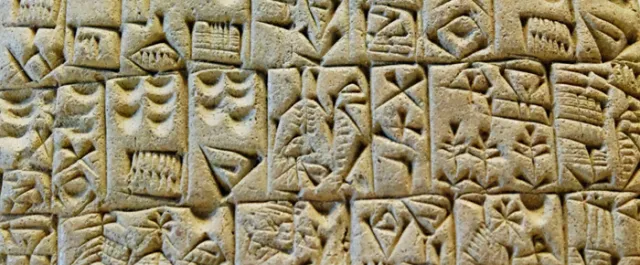
Telling the story of numbers
Describing quantities in terms other than "few" or "many," comparing them, manipulating them without touching or seeing them… All this depends on numbers. Numbers have preoccupied humankind since prehistoric times. So what is the story of the invention that changed the face of the world: numeral systems?

Pre-Columbian numeral systems | Tangente
In which we discover that South American civilizations did not wait for Christopher Columbus before adopting numeral systems
Writing large numbers: not so simple! | Tangente
Even with a positional decimal system, not everyone writes large numbers in the same way.
Two numeral systems you were spared | Tangente
Numeral systems are a matter of conventions dictated by history and efficiency. But what if...

Counting without counting | Tangente
Everyday language still bears traces of certain ancient counting practices.
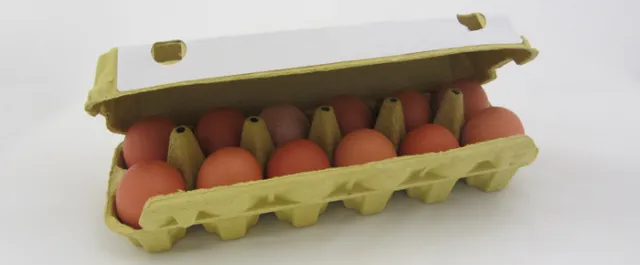
Base 60 still dictates our schedules | Tangente
The revolutionaries introduced the decimal system for weights and measures, and despite a few Anglo-Saxon holdouts, it prevailed across the globe. Yet bases 12 and 60 live on, notably in the measurement of angles and the passage of time…

Speaking numbers
Do you speak numbers? Writing numbers is perfectly automatic, but reading them raises several questions.

Having fun with the number 60 | Tangente
Although 60 is no longer the retirement age, there are still plenty of opportunities to play with the number 60.
2019: a random year | Tangente
Randomness is the theme of the 2019 mathematical calendar published by Presses universitaires de Grenoble and edited by Ana Rechtman Bulajich.

Binary notation for representing data
A computer's memory can store only 0s and 1s. Despite this limitation, we now use it to store numbers, text, photographs and even videos. This encoding relies on a host of standards and conventions that are well worth knowing.