This issue is not fully translated into English yet; only translated content is shown.
Read the French versionAll folders in this issue

All in your head!
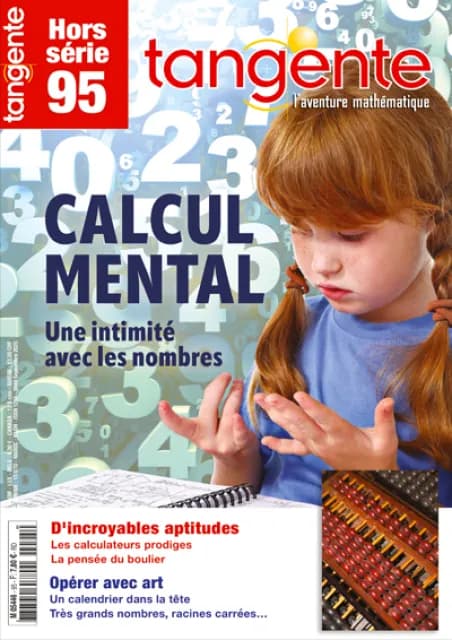
The ability to perform a complex calculation mentally, in an instant, is often associated with the idea of a "gift for numbers". It is true that some mental calculation prodigies seem to possess this quality without having received any particular training. However, one must not be fooled: apart from a few cases as rare as they are fascinating, the aptitude for mental calculation develops above all through practice. This produces all the more results as it is based on a good knowledge of the underlying properties of numbers, generally founded on a mixture of algebra and arithmetic.


Approximately
A calculation does not always have to be exact, so mental calculation doesn't either. To go fast without getting lost in unnecessary precision, one can therefore develop approximate mental calculation techniques. These are not limited to the occasional replacement of a number with a simpler number. From logarithms to square roots, once the path of approximation is chosen, a whole set of new techniques can unfold to allow one to evaluate the result of certain problems mentally.


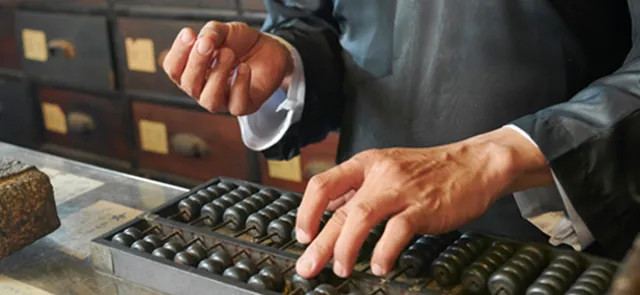
Without paper or pencil (nor screen)
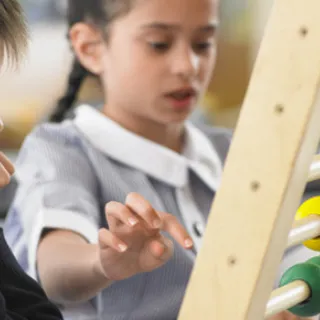
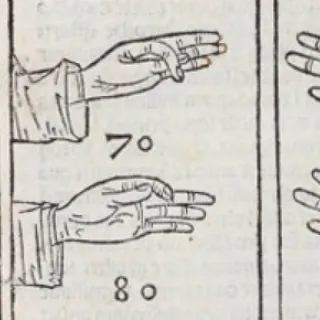
While prohibiting the traditional tools of writing, mental calculation can be enriched with objects that make it possible to track the progress of an operation. For example, rather than considering a number from its decimal representation, some calculators rather visualize it by imagining it written on an abacus. By juggling internally with the beads of the soroban rather than with the usual digits, or by cleverly using the support of the fingers, new horizons open up for developing our calculation abilities in new directions.