The current National Assembly has 577 members. In parliamentary elections, each member is elected for a five-year term in a single-member constituency. The new bill radically changes this system, reducing the overall number of members from 577 to 433 and electing some of them—87—by nationwide party-list voting, that is, by proportional representation.
Reducing the number of members elected in single-member constituencies entails an equivalent reduction in the number of constituencies. This major change to the electoral map therefore requires their geographical boundaries to be redrawn. How should the new electoral map be devised? Can algorithms help achieve the constitutional and political objective of giving citizens an equal say at the ballot box?
Universal suffrage and electoral redistricting
-----------------------------------------
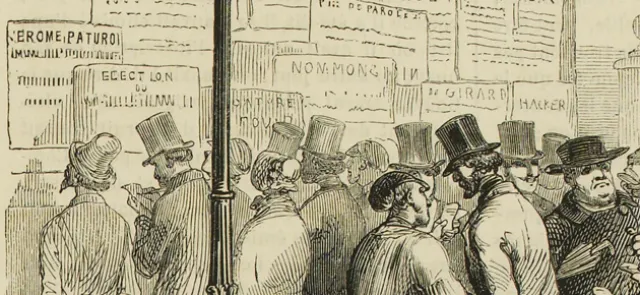
The phrase "one person, one vote" accompanied the gradual emergence of universal suffrage, a practice that may seem self-evident today but was very far from always being so. It is worth remembering that women in France were not granted the right to vote until 1944, almost a hundred years after universal male suffrage. Various rules also existed, particularly in the 19th century, restricting voting rights to certain sections of the population. The property-based franchise, for example, was used during the Bourbon Restoration and the July Monarchy (1815–1848) and granted the vote only to citizens who paid a certain amount in tax—the qualifying tax. Other restrictions were more unusual, such as the rule in force under the Directory that barred from voting anyone "legally disqualified on grounds of imbecility"! More generally, French electoral arrangements have undergone numerous reforms and changes since the French Revolution.