Before Condorcet and Borda, electoral procedures had never been the subject of theoretical debate in France. Earlier reflections on the subject date back to the Middle Ages, with Ramon Llull in the 13th century and then Nicholas of Cusa in the 15th century, but they were forgotten in the meantime and rediscovered only in the 20th century.
A science of decision-making
---------------------------
Condorcet's interest in elections formed part of a broader undertaking: the development of a general theory of voting, which emerged in 1785 with the publication of his Essai sur l’application de l’analyse à la probabilité des décisions rendues à la pluralité des voix (Essay on the Application of Analysis to the Probability of Majority Decisions). This work aimed to develop a theory for applying mathematics to every kind of decision made by majority vote, whether a jury's verdict in court, the passage of a law by an assembly or an election. The 1785 Essai marked the culmination of an intellectual project that began in the early 1770s with articles on political arithmetic and sought to bring scientific rigor into politics.
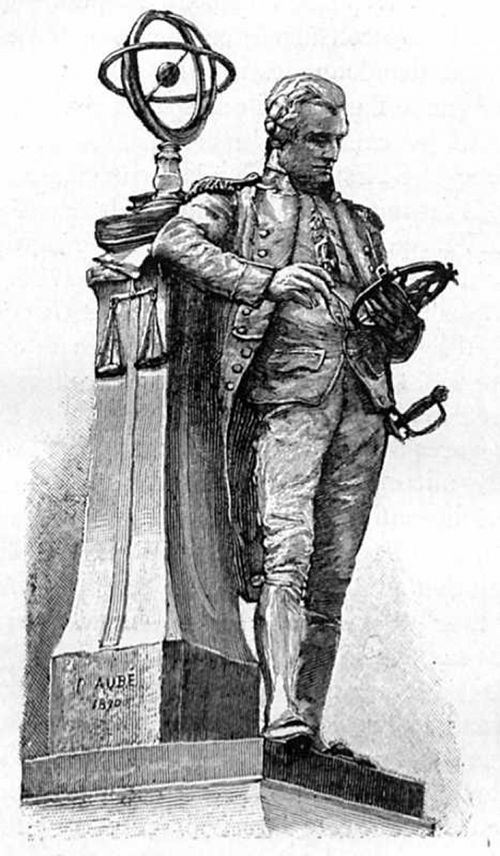
Electoral procedures occupy a prominent place in the Essai. The work of the Chevalier de Borda, Condorcet's rival at the Academy, played no small part in this. In his Mémoire sur les élections au scrutin (1770), Borda identified a major flaw in the traditional voting method (see box), and this strongly influenced Condorcet. At the time, elections were held simply by recording each voter's preferred candidate and declaring the candidate with the most votes the winner. Borda criticized this method as "highly defective" because it captured only the voters' incomplete preferences and could not identify the majority's true choice with certainty. The candidate receiving the most votes under this procedure could quite conceivably rank last in a complete ordering of the voters' preferences.