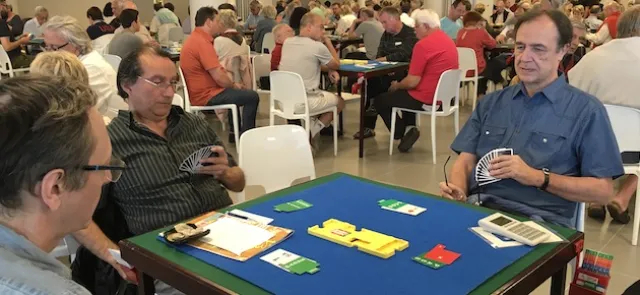
Blackjack in its modern form is played exclusively in casinos and is what is known as a “house-banked game”, in which the player faces the dealer. Known in the United States since the early 20th century, it was authorized in French casinos in 1969 and is now played there with six decks of fifty-two cards.
Simple but unequal rules
--------------------------------
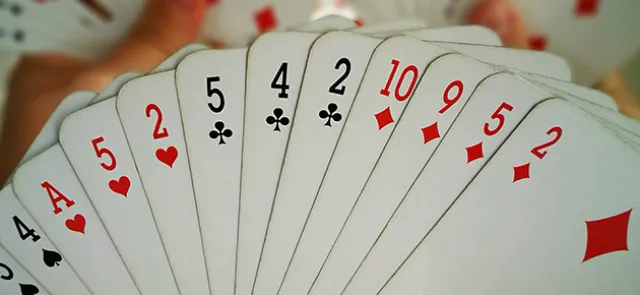
The dealer faces up to seven people, each playing independently. After placing a bet, each player receives two face-up cards, while the dealer receives only one.
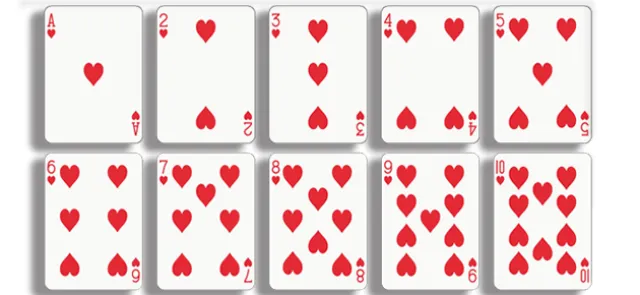
The player acts first and decides whether to take another card, knowing that they may draw as many as they wish. Once satisfied with their hand, they “stand”. Cards count at face value; the “ten-value cards” (10, Jack, Queen and King) are worth 10, while the Ace is worth either 1 or 11, at the player’s discretion. The aim is to come as close as possible to a total of 21, but any player who exceeds 21 loses their bet, regardless of what the dealer subsequently draws.
An Ace combined with a ten-value card is a “blackjack”, a hand that always wins except against another blackjack.