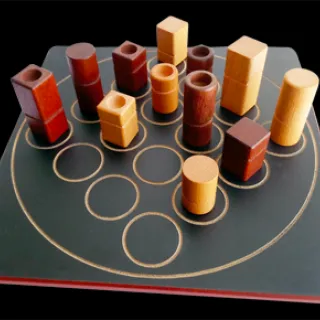
Board games
This issue is not fully translated into English yet; only translated content is shown.
Read the French versionAll folders in this issue

Graphs and strategies
In games of perfect information, graphs play a fundamental role: in theory, by working backwards from the final positions, they make it possible to know whether a position is winning or losing for the player who inherits it. Reality is more complicated, particularly when the number of positions, like in the game of Go, is too large. But elaborate theories make it possible to know one's lead or lag behind the opponent or to bring together games that, a priori, had no common points. The famous game of Nim is part of these references.

Games and Probabilities
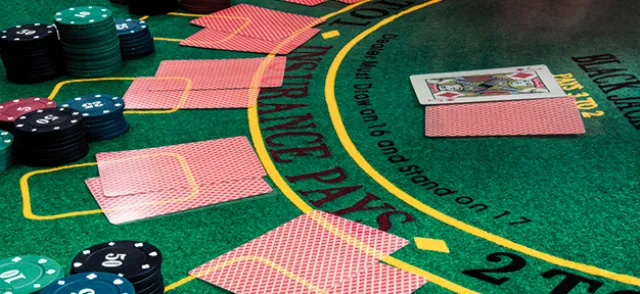
In games with incomplete information, game strategies are not certain, as they depend on information that the players do not have. Probabilities then play a strong role in how to play, the objective being to move toward the situation that maximizes the probability of gain, or even its expected value. But this probability is not always easy to calculate, especially since in certain contexts, such as casino games, the rules change to prevent players from mastering it.

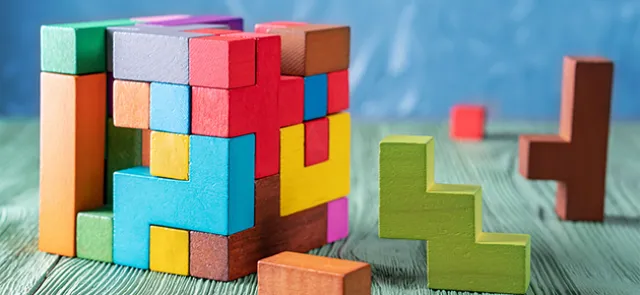
When geometry and combinatorics get involved
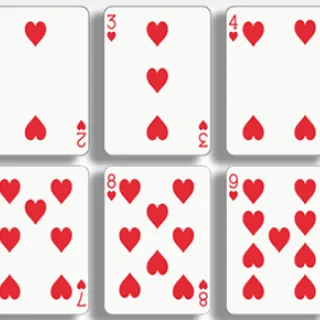
Graphs and probability are not the only areas of mathematics that board games draw upon. Geometry, and even topology, often come into play when it comes to placing pieces of various shapes on a board. Combinatorics is also, of course, the key to many games. But we must not forget number theory, which often makes it possible to imagine models of the relationship between certain game situations and numbers associated with them.