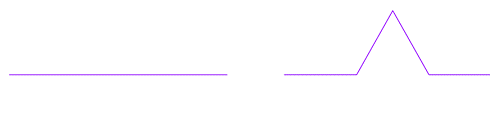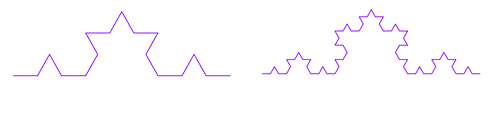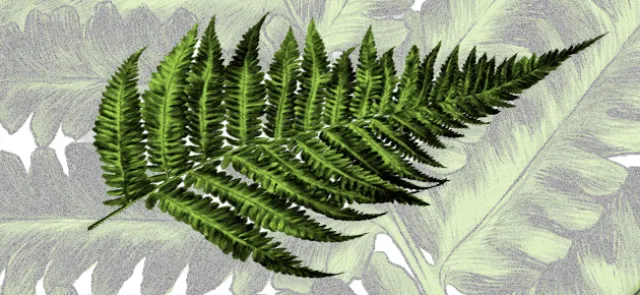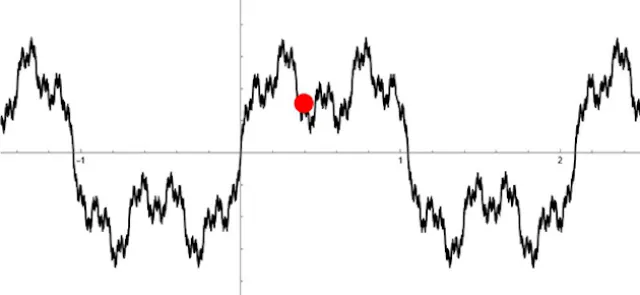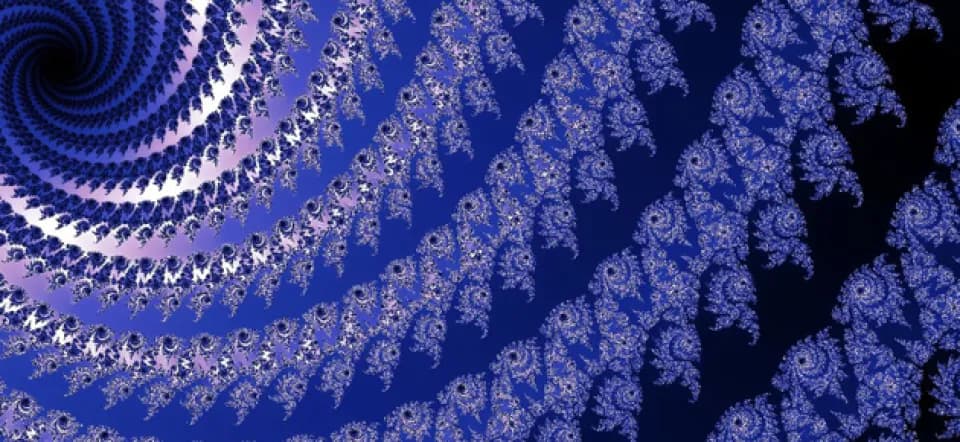

Repeating a geometric transformation at different scales produces fascinating figures whose aesthetic appeal is far from their only attraction. Let's (re)discover the most iconic fractals!


Articles recommended for you.

In the centenary year of his birth, we look back at the life of Benoît Mandelbrot, the "father of fractals": those strange geometric entities with which he adorned mathematics and which he managed to uncover even in nature.

For millennia, straight lines, circles, parabolas, and other smooth surfaces had reigned supreme and unchallenged over geometry. Then Mandelbrot unleashed the "mathematical monsters" of the early 20th century, transforming our picture of the world forever.

Surely the modern era has finally given us a precise, rigorous and general definition of a curve. Yet it has not! Neither analysis nor topology has so far produced a definition of "curve" on which everyone agrees.

How can a sphere be made to occupy less volume? Or how can an object be brought from the fourth dimension into the third? The corrugation technique meets such geometric constraints and produces surfaces both strange and unprecedented: "smooth fractals."
Discussion
Sign in to post a comment and talk with other readers.
No comments yet. Be the first to respond.