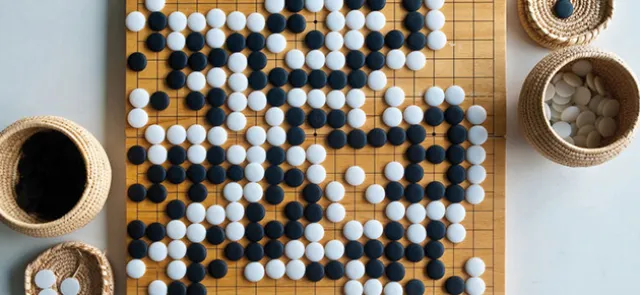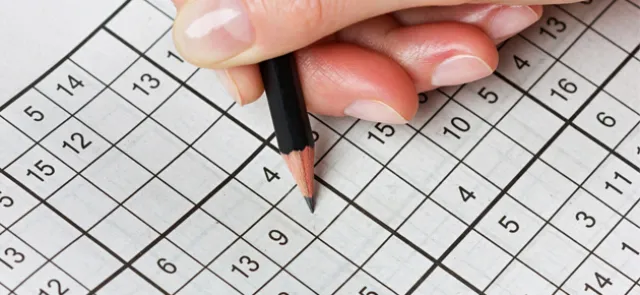
Mathematics and play are linked for both structural and historical reasons. Play simulates simplified situations from life, while mathematics provides precisely the tools needed to build simulation models.
-
Playing means doing mathematics
----------------------------
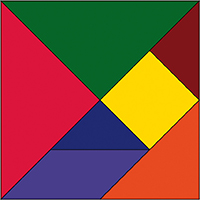
At its most basic, playing involves using one or more objects ("toys") and rules that generally set an objective and make it possible to bring the game to a close. Play requires us to connect facts or observations, analyse situations, sometimes even use trial and error or anticipate actions. It provides immediate feedback on whether an action was appropriate. Playing is pleasurable: it offers the pleasure of thinking about a game situation and of finding a winning strategy. Lastly, playing means pursuing a goal: pitting yourself against an opponent, making the best possible use of chance and probabilities, or mastering a strategy or technique…