Algorithms for detecting fraudsters
-------------------------------------------
Although it probably went unnoticed by many taxpayers, the Journal officiel published an order dated 14 November 2017 concerning the creation by the direction générale des Finances publiques of an automated fraud-fighting system known as "fraud targeting and query optimization". What this term really means, of course, is the introduction of algorithms that detect inconsistencies in the various returns filed by companies and individuals. Using a wealth of data, the algorithm calculates the probability of fraud. Big Data is naturally used to compare and cross-reference data (payslips, declared income, aspects of a person's lifestyle…). The tax authorities must then carry out a detailed check.
In Britain, the Connect software is highly effective; it draws on some thirty structured databases, as well as informal sources such as… social media and auction sales. In France, the fraud-targeting and query-optimization software is still in its infancy. Should we regret that? Detecting fraudsters must not become a pretext for intruding too far into people's private lives!
Benford's law
-----------------
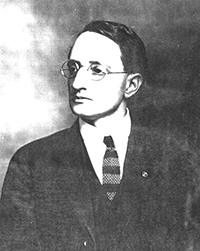
When you walk into a department store, you can be sure that about 30% of prices start with the digit 1. A visit to the Insee website also shows that the population figures for about 30% of French municipalities start with the digit 1. It was an American engineer and physicist, Frank Benford, who observed this phenomenon in 1937… and explained it.