Ian Stewart's book Petites Énigmes mathématiques et logiques opens with a scam that can be foiled through mathematical reasoning. The con artist begins by setting out three glasses, one of them upside down.

He then shows that, in three moves, turning over exactly two glasses each time, he can leave all three upside down (in fact, one move is enough, but the other two help confuse the onlooker).
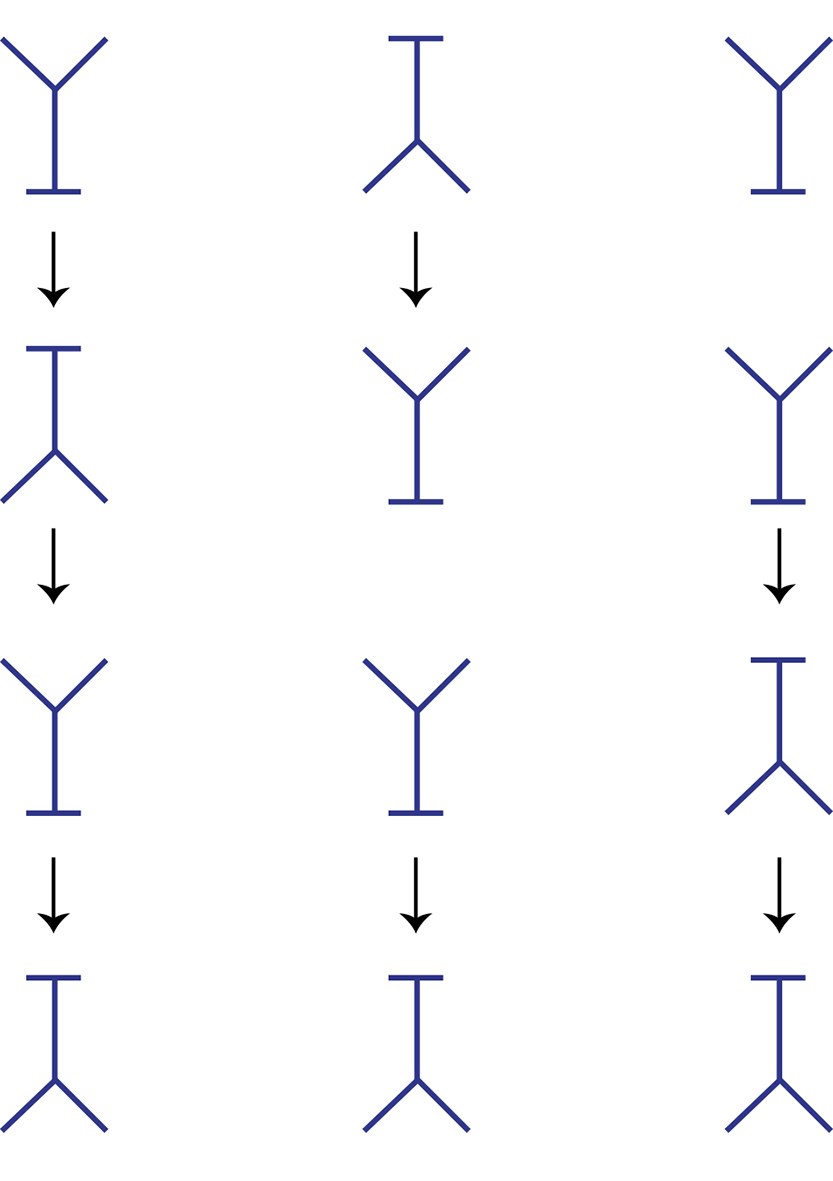
He then asks his mark to repeat the procedure as he nonchalantly resets the glasses in the initial configuration.

The victim can try as many times as they like, but by turning over exactly two glasses on each move, they will never manage to leave all three upside down…
The mathematical explanation? Turning over two glasses at once does not change the parity of the number of upside-down glasses. In the con artist's demonstration, the number goes from one to three. The mark, however, has to go from two to three, which is impossible.