Tangente: You are a historian of science. What exactly does that involve?**
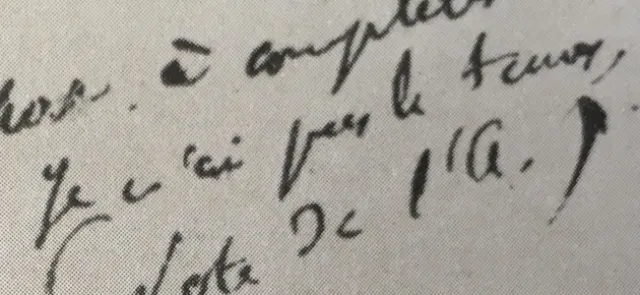
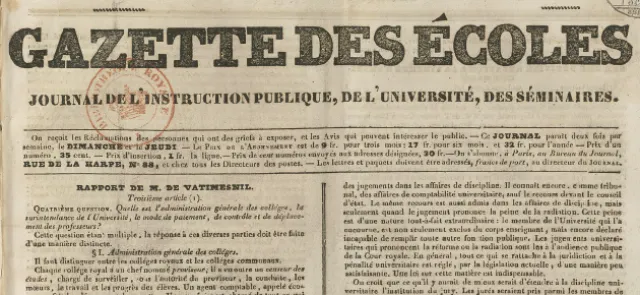
Caroline Ehrhardt: Historians work from old documents and archives, seeking to understand the mathematical past more fully and make it better known. This approach raises a host of issues, and not everyone views them in the same way. For example, it prompts us to reflect on what mathematics is. History shows that mathematics has been practised in different ways in the past, which means there is no single way to do it!
Studying the history of a discipline also reveals how knowledge circulates, helps us understand why some research endures while other research disappears, and allows us to identify the social factors and institutions that influence the discipline’s development.
What distinguishes a biographical approach?
A biographical approach seeks to understand in detail how an individual worked. We want to identify what they drew on, the context in which they operated, and how that context affected their work… We also examine their legacy: their scientific contribution and the factors that influenced how it was passed down.