Dating is an important stage in the study of an archaeological site. It establishes when the site was active. Combined with statistics, it provides tools for answering many questions: when was a site active? How long was it occupied? Was it occupied during several periods? What is the chronology of those periods of occupation?
Various dating methods are available, and the choice depends mainly on the type of material found at the site and the site's age. All these techniques yield dates whose precision depends on the method used.
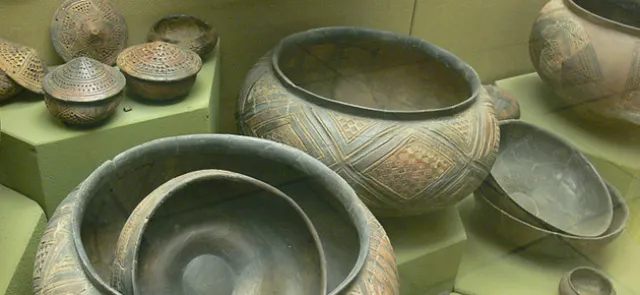
Several objects at an archaeological site may be dated, and a wealth of additional information can be collected. Stratigraphic considerations, for example, impose an ordering constraint on the ages. Bayesian statistics provides a method for estimating the relevant period that takes this information into account, combining it with laboratory dating measurements performed on the collected objects.
Some dating methods
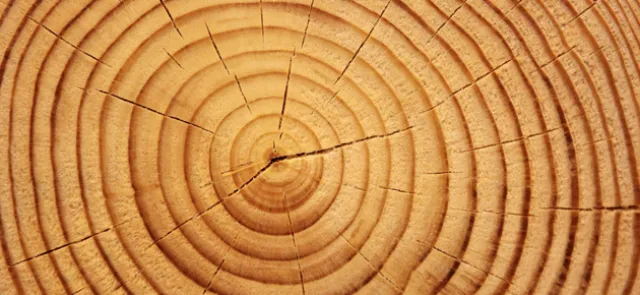
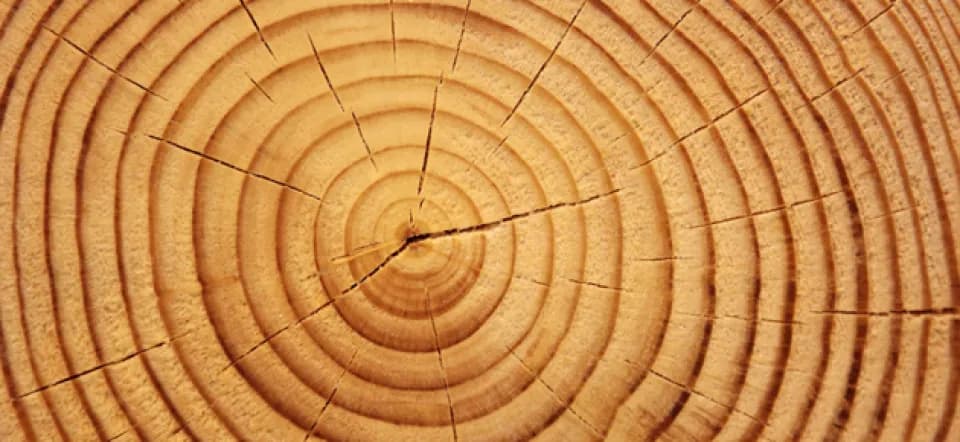
Dendrochronology is used on wood. It relies on comparing the thickness of tree rings with a reference chronology. It can be applied from the present day back to 9000 BCE.