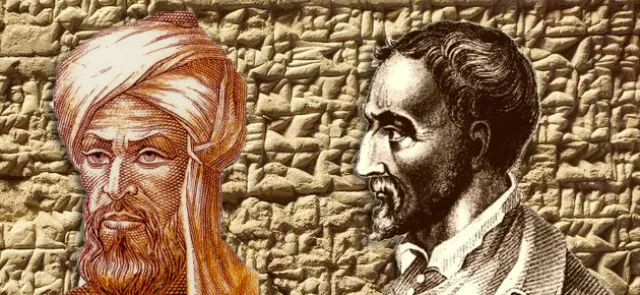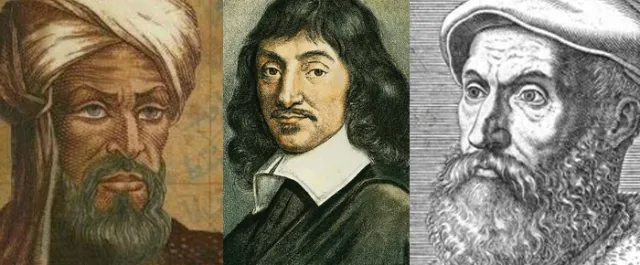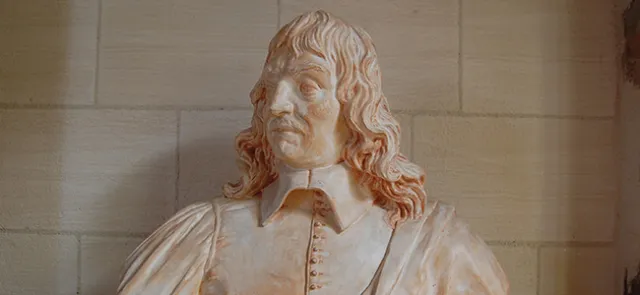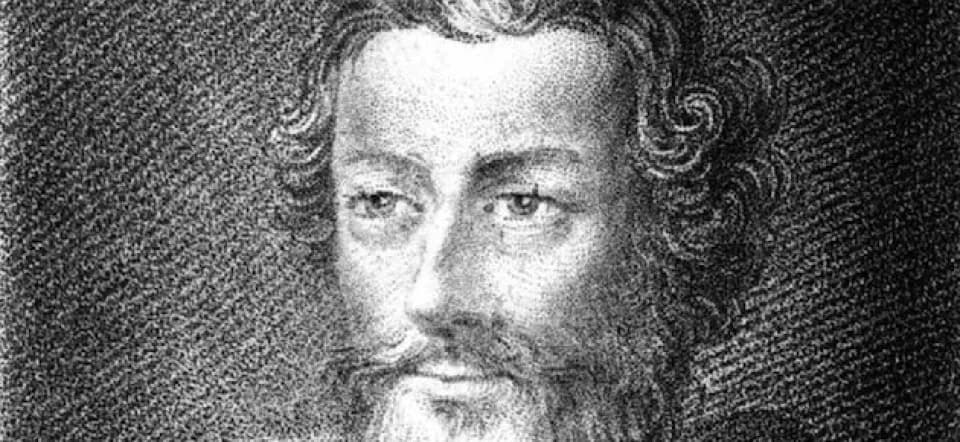
In the 9th century, al-Khwarizmi wrote a text on solving equations that may be regarded as the first treatise on algebra. His name, altered and reinterpreted, gave rise to the word "algorithm", while al-jabr, one of his techniques for solving equations, gave rise to the word "algebra". His writings contain no letters or symbols, yet they are nonetheless "algebra". The procedures are justified by geometric proofs. The giant leap from rhetorical to symbolic algebra still remained to be made. François Viète made that leap possible and paved the way for his successors, including René Descartes (1596–1650). In 1630, to promote this invention, the Sieur de Vaulezard would translate Viète's major work in the field from Latin, In Artem Analyticem Isagoge ("Introduction to the Analytic Art"), and publish it under the title The New Algebra of Mr Viète.
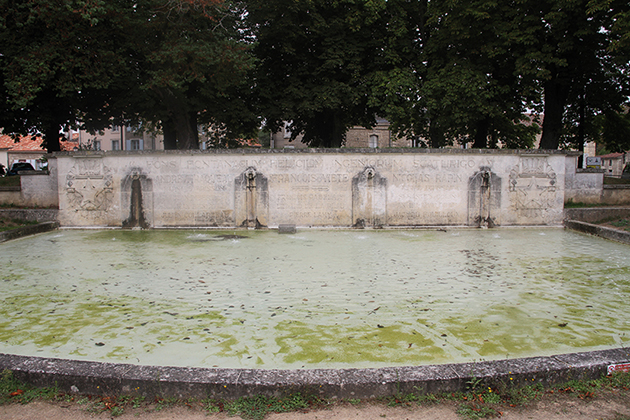
Place François-Viète in Fontenay-le-Comte.
The first abbreviations
--------------------------