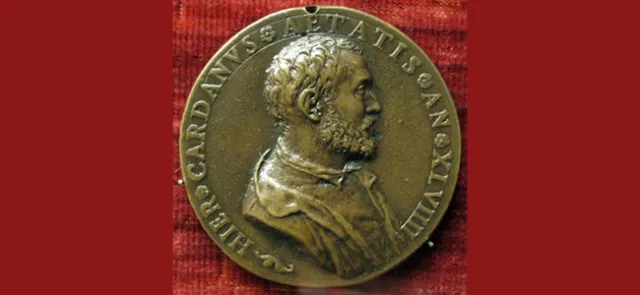
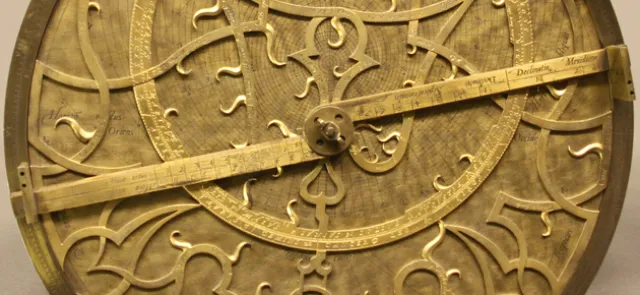
"Hellenistic astrology is an amalgam of an appealing philosophical doctrine, an absurd mythology and scholarly methods applied where they do not belong." This statement by the philologist and philosopher André–Jean Festugière (1898–1982) neatly sums up Greek astrology—which remained virtually unchanged until the Renaissance: the art of drawing omens from the supposed influence of the heavenly bodies, based on the unity of the cosmos and the interdependence of every part of this vast whole. This kind of "sympathy" linking humanity to the cosmos is the essential foundation of these pseudosciences.
=
Calculation rather than observation
-------------------------------------
Greek astrology has its roots in Babylonian astrology. The idea that planets exerted an influence was already ancient among the Babylonians, dating back to at least the 7th century BCE, but initially the omens applied only to the king or the nation as a whole. Furthermore, these omens were based on naked-eye observations of astronomical phenomena—eclipses, remarkable conjunctions and so on—with no mention of the zodiac. Babylonian horoscopic astrology did not emerge until the late 5th century BCE. Here, a "horoscope" means a prediction of the future based on an examination of the positions of the Sun, the Moon and the five planets at the moment of birth—or conception.
This was to become an essential feature of Hellenistic astrology: predictions were based on astronomical calculations rather than observation. The Greeks probably discovered Babylonian astrology in the 3rd and 2nd centuries BCE. Horoscopes began to concern particular individuals, relating the configuration of the planets to the signs of the zodiac; the oldest known Greek horoscope dates from the 1st century BCE.