The energy transition is no simple equation! It involves many factors, encompassing not only physics but also chemistry, biology and even the social sciences. Every transition has had spectacular consequences. Before fire was harnessed, the Earth's population did not exceed one million; a few thousand years later, the mastery of photosynthesis and the advent of agriculture caused it to multiply. The billion mark was reached thanks to steam power. Coal, oil and finally nuclear energy brought the human population to seven billion in the 21st century. Each time, harnessing a new source of energy has enabled us to produce more food, provide better healthcare, manufacture more effectively and sell more…
This century's energy transition poses an entirely new challenge: moving from a system in which energy was cheap and resources inexhaustible to a system constrained by the need to use costly energy sparingly and conserve resources.
-
Electricity generation
------------------------
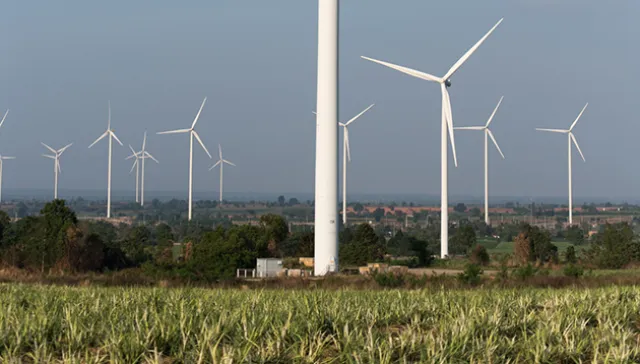
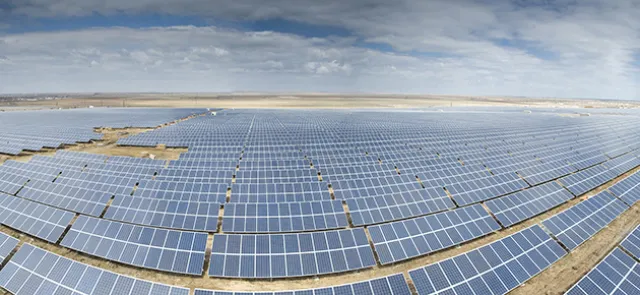
The electricity mix is hotly debated, even though electricity generation accounts for only 6% of greenhouse gas emissions in France, far behind transport and residential buildings. It fuels controversy over the decision to reduce nuclear power's share to 50% and raise the share of so-called renewable sources to 32%. Germany's example provides food for thought (see box).