



Ethnomathematics, at the crossroads of disciplines
Ethnomathematics is a recent discipline and still little known to non-specialists. It aims to study the expressions of types of rationality among various populations that do not practice mathematics as we teach and usually conceive it. Its history presents itself as a convergence between mathematics and anthropology, where geometry, numeration or algorithms prove to be valuable tools for the study of indigenous cultural practices. Conversely, the mathematical elements that we perceive by exploring these customs question our relationship to the discipline. An objective for this dossier: look at maths from elsewhere but above all differently!
All articles in this folder
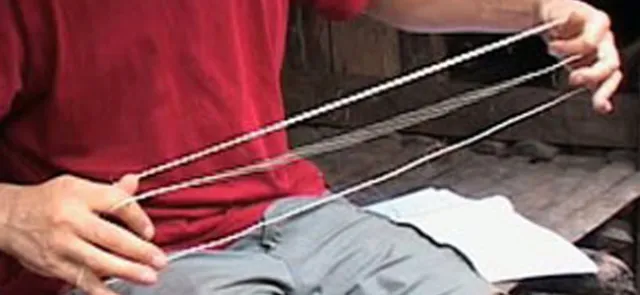
History of ethnomathematics | Tangente
Today, ethnomathematics is the study of cultural variations in mathematical practices and knowledge, particularly those developed outside scholarly and institutional settings. It offers fresh and original perspectives on mathematics and its teaching.
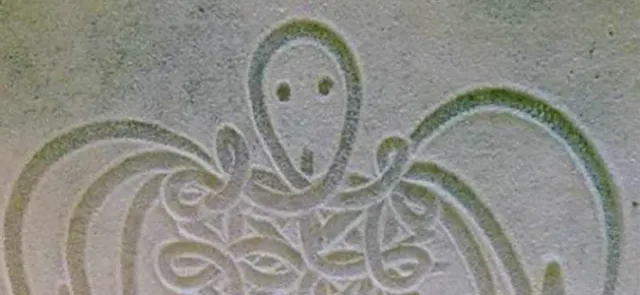
The turtle algorithm in Vanuatu | Tangente
Mathematical modelling offers one way to make sense of Vanuatu's sand drawings. In particular, it will lead us to a surprising "turtle theorem".
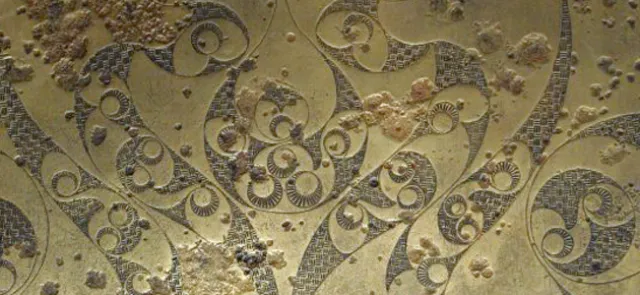
Geometry in Celtic art | Tangente
Celtic art is constructed according to mathematical and geometric principles. Ethnomathematics helps us identify and analyze the geometry that underpins this symbolic art.
Marcia Ascher, pioneer | Tangente
Behind a wealth of research in ethnomathematics, mathematician Maria Ascher is regarded as one of the founders of this new discipline

Combinatorics on words and music | Tangente
Combinatorics on words is an area of mathematics that has proved particularly fruitful for studying certain musical phenomena, especially the rhythmic features of African and Malagasy music—so much so that a computer can even recreate them!
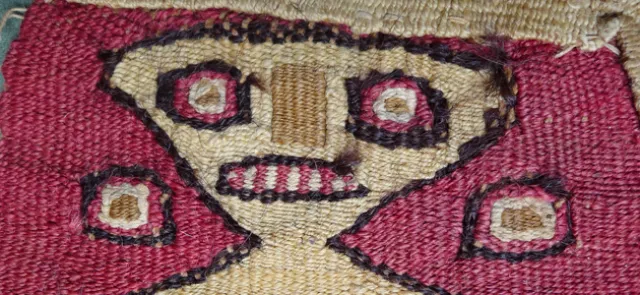
Geometry of Andean textiles | Tangente
In the Andes, weavers from periods sometimes lost in the distant past produced an immense variety of patterns that nevertheless bear a clear family resemblance. Mathematics can help us understand part of the visual language these textiles share.