"Biographical details: I am still one of those who believe […] that only an author's works matter. (When they do matter, naturally.) That is why I either provide no biographical details or provide false ones; in any event, I make sure to change them from one occasion to the next." (Letter to Germana Pescio Bottino, June 9, 1964)
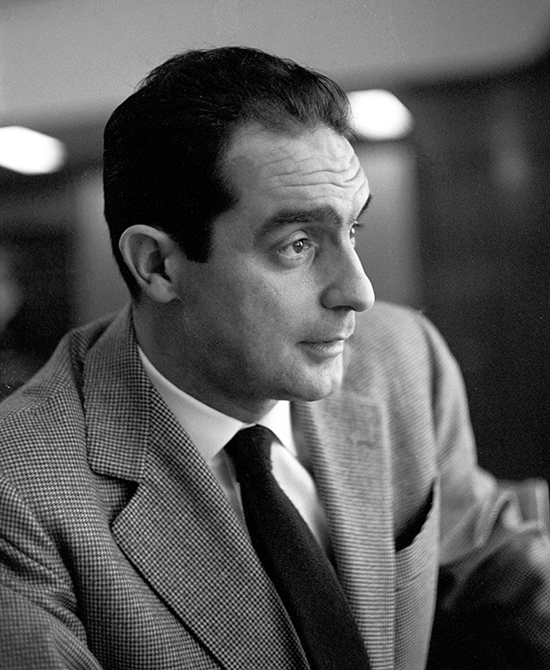
This is what Italo Calvino wrote to his biographer. Let’s therefore begin with a few facts about the author’s works discussed here. Born in 1923, Calvino came from a family of scientists: his mother was the first woman in Italy to hold a university chair in biology, his father was an agronomist, his younger brother would become a geologist, and Italo himself began studying agronomy, though he soon abandoned it to devote himself to journalism and writing. Already well known, he moved to Paris with his wife and their daughter in 1967 and remained there until 1980. This gave him the opportunity to get to know Raymond Queneau, whose Les fleurs bleues he translated into Italian, as well as OuLiPo, which he joined in 1974. He was as fascinated by combinatorial games as he was influenced by Jorge Luis Borges's labyrinthine writing.
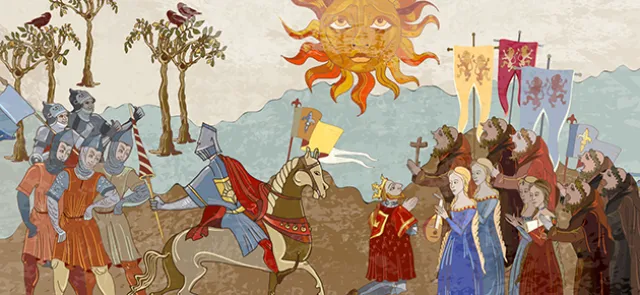
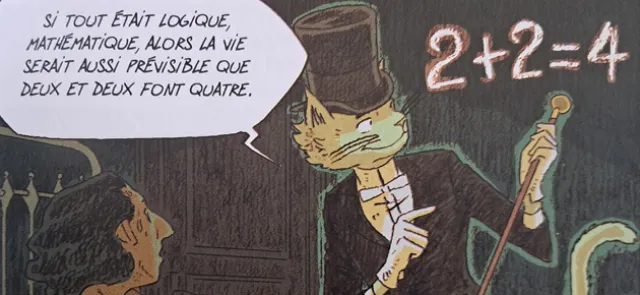
An interest in mathematics is apparent from his earliest writings, particularly in Le chevalier inexistant (1959). It became still more systematic in Les villes invisibles (1972) and reached its height in Si par une nuit d’hiver un voyageur (1979). He returned to Italy in 1980 and died in 1985, widely regarded as one of the century's greatest writers.