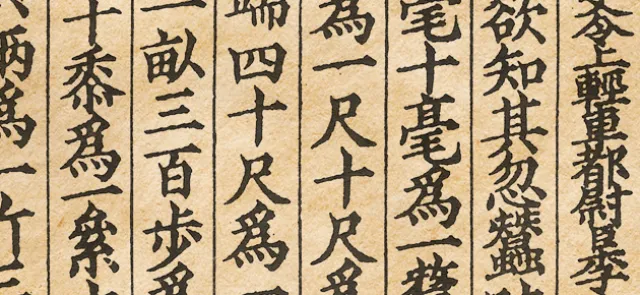
One might ask who the author is, who the publisher is, and what the editorial intentions were. What makes this particular copy distinctive? In answering these questions, we explore the vast network of the Christian Brothers, who in the last third of the 19th century educated millions of students. In France and around the world, these students held in their hands books written by leaders of this community — including F.J., who in fact stood for "Brother Joseph," that is, Jean-Marie Josserand (1823–1897), director of the community from 1884 to 1897.
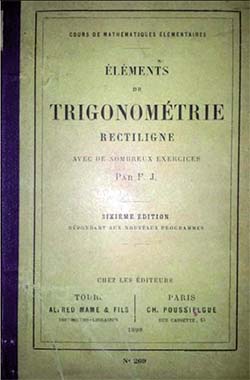
The book was distributed by the religious publisher Mame, in collaboration with the Poussielgue and later Gigord publishing houses. The recovered copy bears a faint stamp from the bookshop "S.H. Weiss, successor to E. Heydrich, in Constantinople." The presence of this book in a religious school in Damascus, which had been under Ottoman rule, thus makes sense. The margins of books are as important as the books themselves!
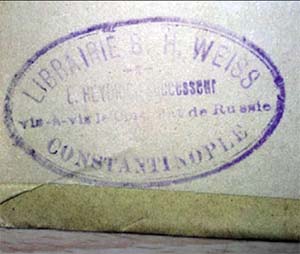
They preserve the memory and traces of many practices and circulation networks. By rereading yesterday's books from every angle, historians manage to reclaim a little of the past.