7
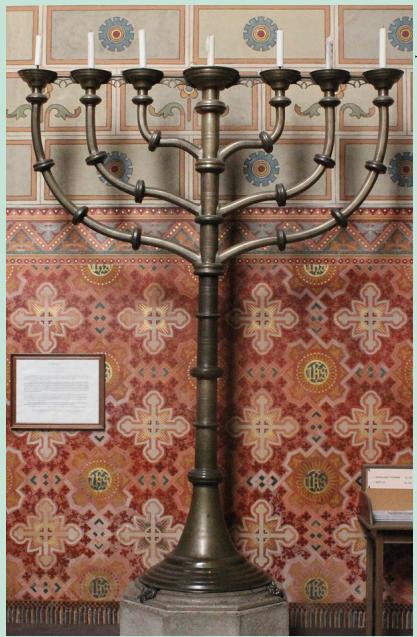
Seven occupies a central place in the Bible, where it appears about 735 times and expresses divine perfection and fullness. Creation follows this sacred rhythm: "God blessed the seventh day and made it holy, because on that day he rested from all the work of creating that he had done" (Gen 2:3). This passage establishes the seventh day as a time of rest dedicated to God: the Jewish Sabbath and the Christian Sunday. Seven marks what has been fully accomplished, as in Jesus’ seven sayings on the cross or the seven lamps of the lampstand (Exod 25:37). In Revelation, this symbolism reaches its height with the seven Churches, seven seals, seven trumpets and seven bowls (Rev 1:16). This fullness is also reflected in Christian tradition through the seven sacraments, complete signs of divine grace: baptism, reconciliation, communion, confirmation, anointing of the sick, marriage and ordination. There are also seven gifts imparted by the Holy Spirit (Isaiah 11:2). On the dark side of the Force, the seven deadly sins were established by Gregory the Great in the 6 century: wrath, greed, envy, pride, gluttony, sloth and lust. Seven thus embodies the balance between God’s perfect work and his call to humanity to enter into this fullness.
8
Less prominent yet highly symbolic, the number eight is associated with renewal, the Resurrection and the beginning of a new creation. It is also associated with salvation: according to the First Epistle of Peter (1 Pet 3:20), eight people were saved from the Flood in Noah’s Ark to repopulate the world after God’s judgment. To mark entry into the covenant established by God with Abraham, Jewish law requires every male to be circumcised "when he is eight days old" (Gen 17:12). Eight goes beyond the seven-day cycle of creation and opens a new era, which Christianity associates with the day of the Resurrection. Jesus appeared to his disciples after he had risen "eight days later" (John 20:26), symbolically establishing the Easter Octave, during which the Church celebrates Christ’s victory over death as a single day. This theology of eight has been reflected in sacred architecture for centuries: octagonal baptisteries signify new birth through baptism, while octagonal bell towers signify a share in the Resurrection.