This technique requires software that automatically identifies what are known as homologous points. Correlations between the images are established by automatically identifying corresponding pixels within a well-defined area of each image. A computer can then perform stereoscopic analysis (see the article "3D television: the television of tomorrow?") of the objects or locations. The more viewpoints we have, the better the resulting 3D representation will be.
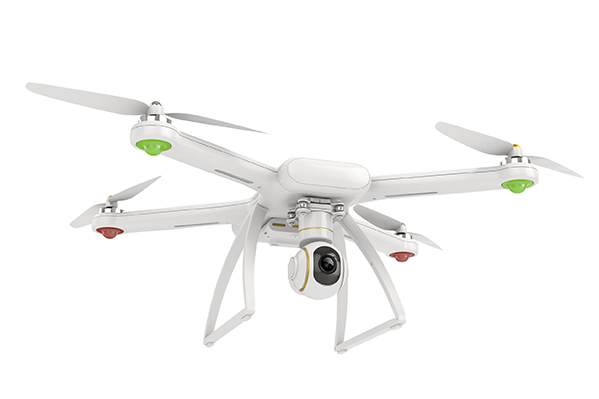
This technique is used in many fields, especially using aerial photographs, which are now easy to obtain thanks to the systematic use of drones.
It has also become indispensable in archaeology, making it possible to capture and record the condition of a site before and during excavation, thus providing information that remains usable long afterward and paving the way for genuine "virtual excavations." The technique also makes it possible to study submerged sites, reliably revealing artifacts buried beneath sediment, whereas exploration by divers always involves an element of chance.