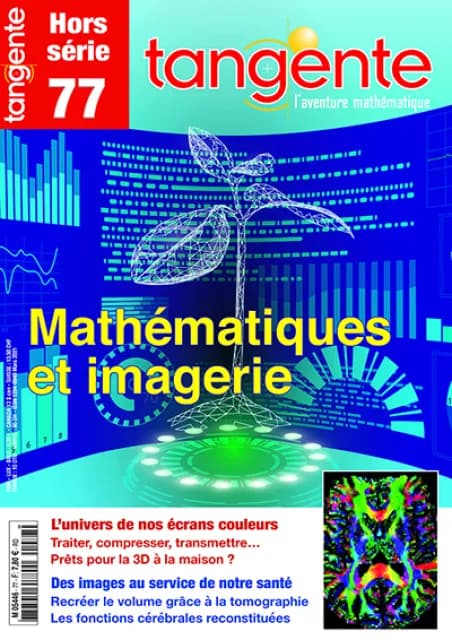
Mathematics and imaging
This issue is not fully translated into English yet; only translated content is shown.
Read the French versionAll folders in this issue



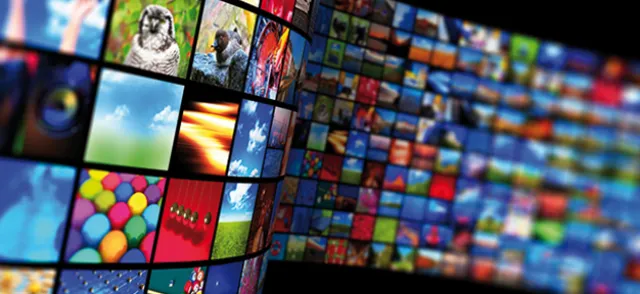
The universe of our color screens
The screens have invaded our daily lives: computers, tablets, televisions, smartphones, we barely communicate anything but through them. We are also becoming increasingly demanding about the quality of their resolution. The transition from the small black-and-white formats of the early 1950s to today's large screens with vivid colors can only be achieved thanks to astonishing progress, both in terms of signal transmission and their compression. Exploiting the peculiarities of our visual system, the JPEG format and its various derivatives deliver images considered sharp while remaining of an acceptable "weight." To achieve this, a transformation inspired by Fourier's work produces excellent results.
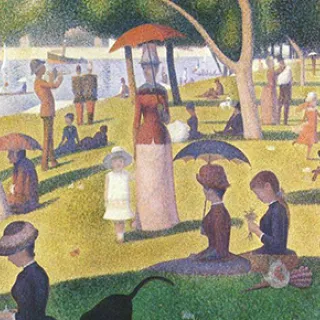

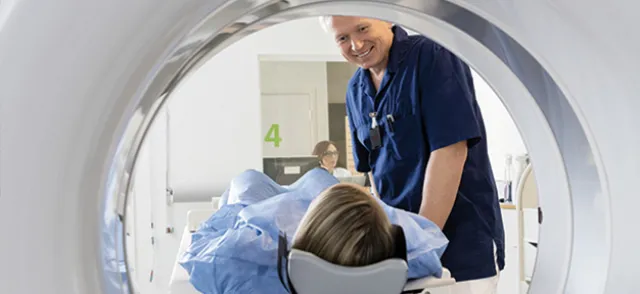
Medical imaging
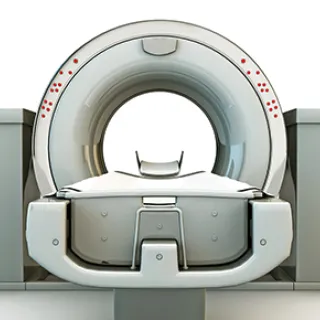
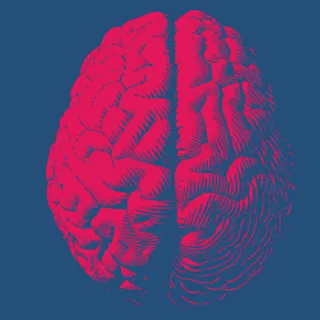
Mathematics is increasingly present in medicine, particularly for the needs of medical imaging. Thus, for over a century, non-invasive techniques have made it possible to see the invisible. From obtaining the image from the data provided by physics, through the various phases of its improvement, to its interpretation to aid in diagnosis, processing algorithms are constantly being improved. Everyone has heard of the scanner, which via tomographic reconstruction makes it possible to obtain cross-sections of objects. The mathematics of medical imaging are also used to simulate the functioning of an organ or to verify the design and placement of prostheses. And when it comes to studying a complex object like the brain, visualization proves to be particularly sophisticated.

Representing volume
Because we live in a three-dimensional universe, representing it has become a technological challenge. All the more so since volume is associated with the representation of motion. On our screens, the development of computer-aided design tools originally met the needs of an industry seeking to move beyond mockup prototyping, which was too costly in terms of time and resources. The volume illusion is achieved by studying the specifics of our visual system, which works from light signals collected by our two separated eyes. Adapted screens or glasses are needed to reproduce it, even if some think that one day this illusion may be obtained from a flat image. But 3D is not limited to the volume illusion. It is physically recreated with the rise of 3D printers, whose process, working layer by layer, or even line by line, is reminiscent of that of scanners.