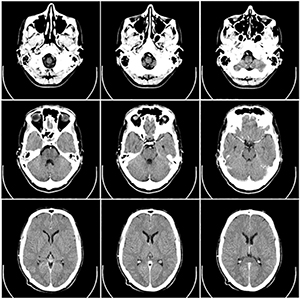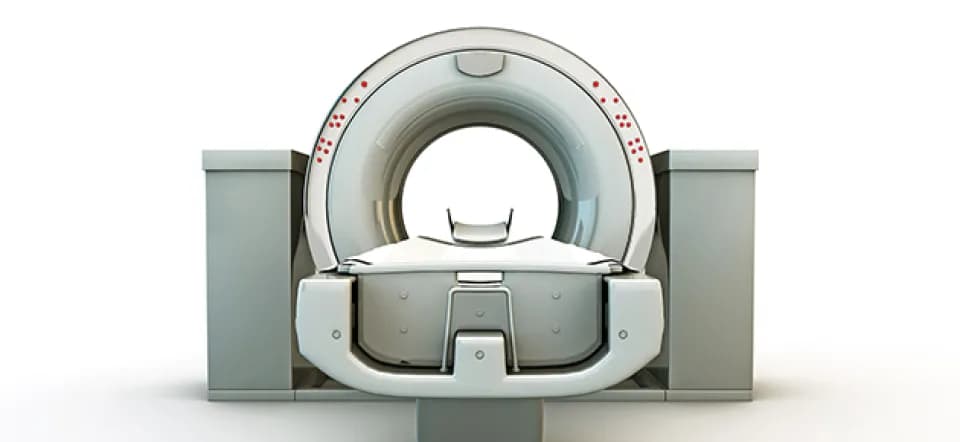
Etymologically, the word tomography combines "tomo" (from the Greek tomos), meaning "slice," and "graphy" (from the Greek graphia), meaning "writing." Tomography aims to provide a cross-sectional representation of the structures within an object.
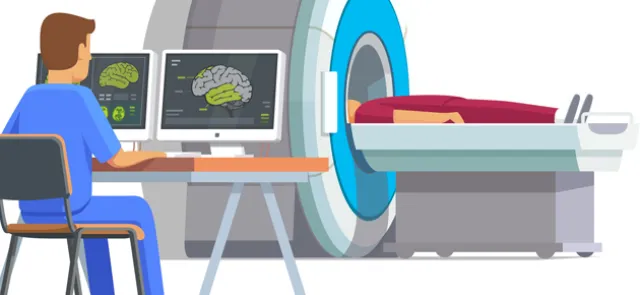
In medical imaging, these are the anatomical structures of a patient. Producing such a representation requires external measurements obtained using radiation that passes through the object (X-rays, positron emission, seismic waves, gamma rays, muons, etc.).
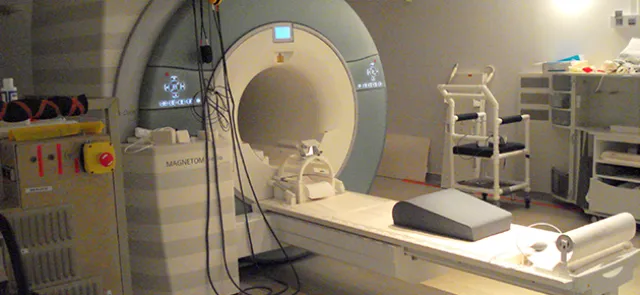
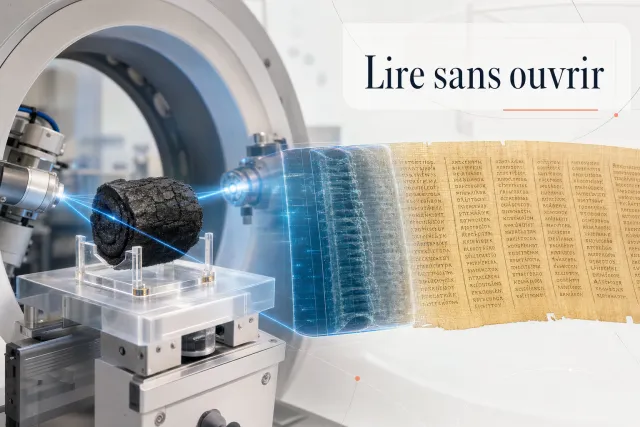
This technique was initially developed for medical use with the invention of computed tomography, which exploits the interaction between X-rays and body tissues, and is also used in other fields: geophysics, nuclear medicine imaging, MRI, radio astronomy, electron microscopy and industrial non-destructive testing (see Buffon et le hasard en géométrie, Tangente 180, 2018), among others.