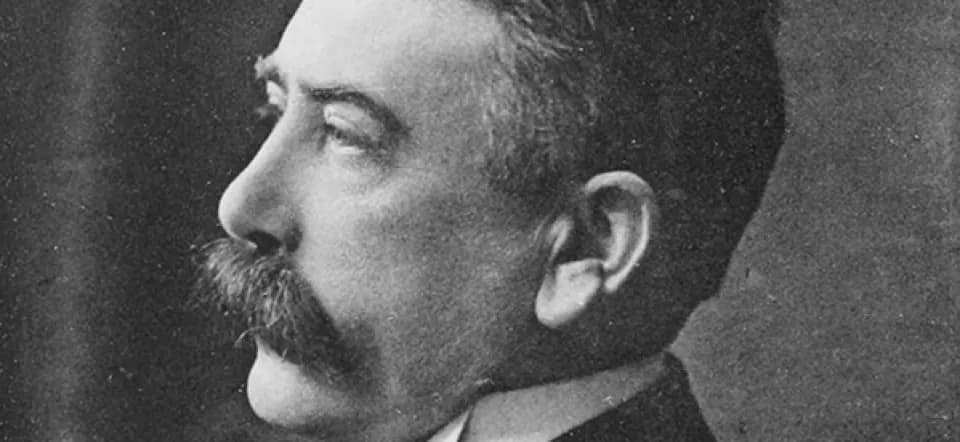
For a long time, ancient languages were considered to have attained perfection, while vernacular languages were seen as no more than their pale descendants. Above all, until the end of the 19th century, the diachronic study of languages took precedence: scholars focused primarily on how they evolved. Ferdinand de Saussure transformed this approach by viewing a language as a structured system whose various components interact to produce meaning. This made scientific study possible, and mathematics could provide a framework for it.
This approach is called syntactic because it examines how sentences work—the positions of the subject, verb and complement, for example—without regard to meaning; meaning itself is studied within semantics.
A common framework
----------------
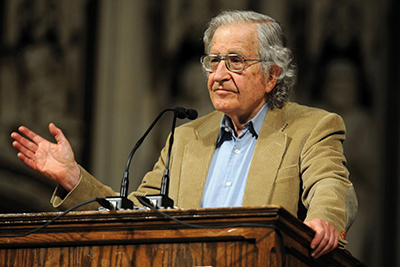
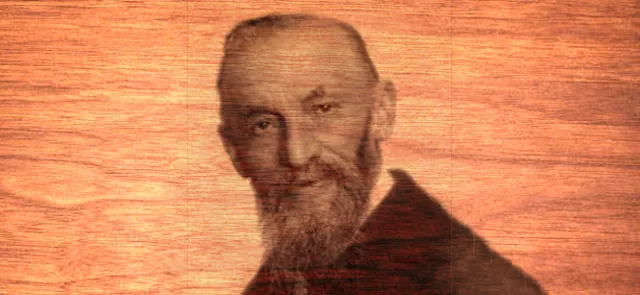
The American linguist Noam Chomsky argues that we possess an innate linguistic structure that need only be activated for us to acquire our mother tongue. In his view, all languages therefore share a common framework that is independent of meaning: what he calls generative grammar. His approach thus treats syntax as independent of semantics. Although he does not refer to it, he adopts wholesale the method of formal logic introduced half a century earlier by the logician Gottlob Frege, which describes and studies logical patterns independently of meaning.