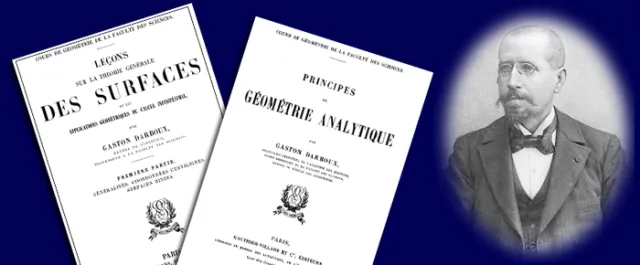
The Dreyfus affair convulsed France for more than ten years, from Captain Dreyfus's conviction in 1894 to his rehabilitation by the Court of Cassation in 1906. When, after numerous ideological and political battles, the country's highest court solemnly declared Alfred Dreyfus innocent of the crime of high treason for which he had been convicted, it supported its decision with a long list of grounds. Prominent among them was a report written two years earlier, in 1904. Signed by three mathematicians who were members of the Académie des sciences—Gaston Darboux (1842–1917), Paul Appell (1855–1930) and Henri Poincaré—it established that Alphonse Bertillon's 1894 analysis of the bordereau (see box), which purported to prove Alfred Dreyfus's guilt scientifically, had no serious basis and must be rejected once and for all.
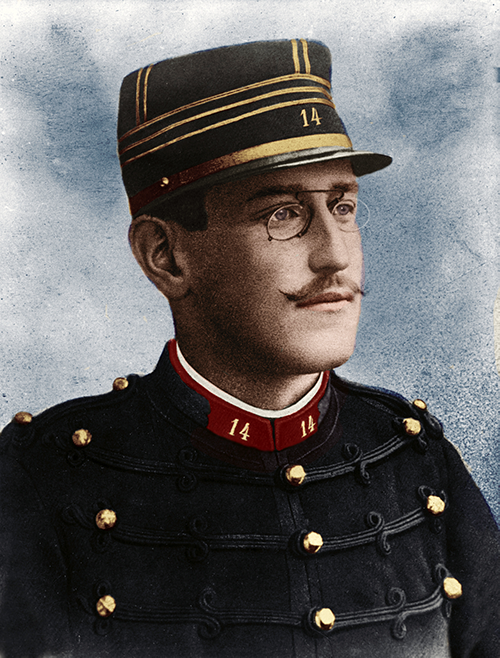
Captain Alfred Dreyfus.
Getting involved
------------------------------
Before the 1904 report, which he essentially wrote alone, Henri Poincaré had largely kept out of the debate tearing French society apart. In January 1898, his name was notably absent from the petitions published in newspapers in support of Émile Zola's "J'Accuse…!", which appeared in L'Aurore on Thursday, 13 January 1898.