Exceptional surfaces in architecture
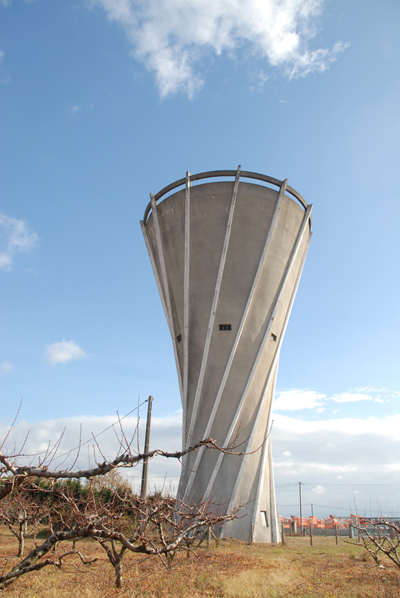
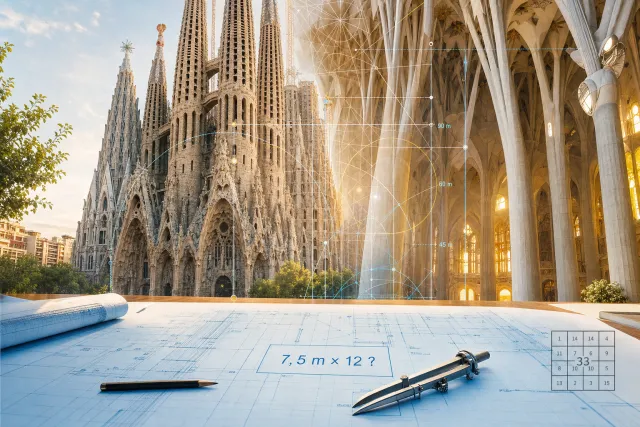
Architecture today combines practicality with spectacle. New digital techniques make it possible to design buildings with extraordinary forms.


Architecture today combines practicality with spectacle. New digital techniques make it possible to design buildings with extraordinary forms.


Articles recommended for you.

What could be more fascinating than soap bubbles? They are beautiful, soothing, with their regular shapes and lovely iridescent colors. But they are also an object of mathematical study. And they hold plenty of surprises for us!

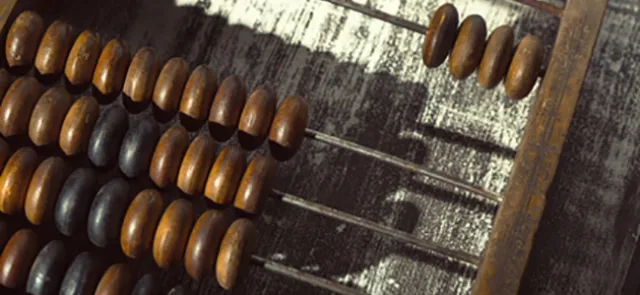
A mathematical object is a concept arising from... mathematics. The objects featured in this saga are physical ones, of interest not only mathematically but also historically, educationally and aesthetically. They illustrate concepts and make them easier to understand.

Bees do not shape their honeycomb cells into hexagons deliberately, but because of the viscoelasticity of wax: the cells, initially circular, compress against one another, the wax melts and angles begin to form; the circular shape becomes hexagonal.

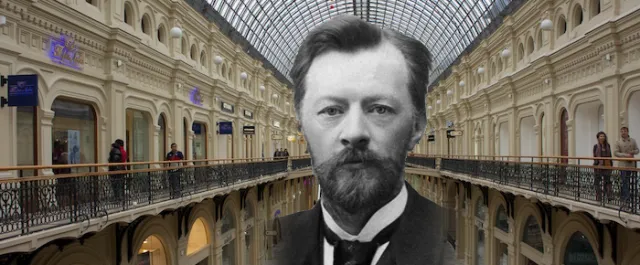
A mathematician by training, Vladimir Shukhov was one of the leading figures in Russian architecture from 1890 to 1930 and was strongly influenced by Constructivism. His building designs made him a forerunner of contemporary architecture.
Discussion
Sign in to post a comment and talk with other readers.
No comments yet. Be the first to respond.