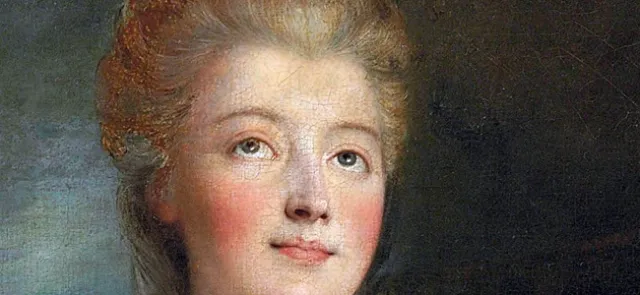
Scientists often know Émilie du Châtelet's name because of her translation of Newton. To everyone else, she is often presented as Voltaire's mistress—which she was, admittedly—but it is deeply unfair to reduce her to that.
In Voltaire's shadow?
--------------------------
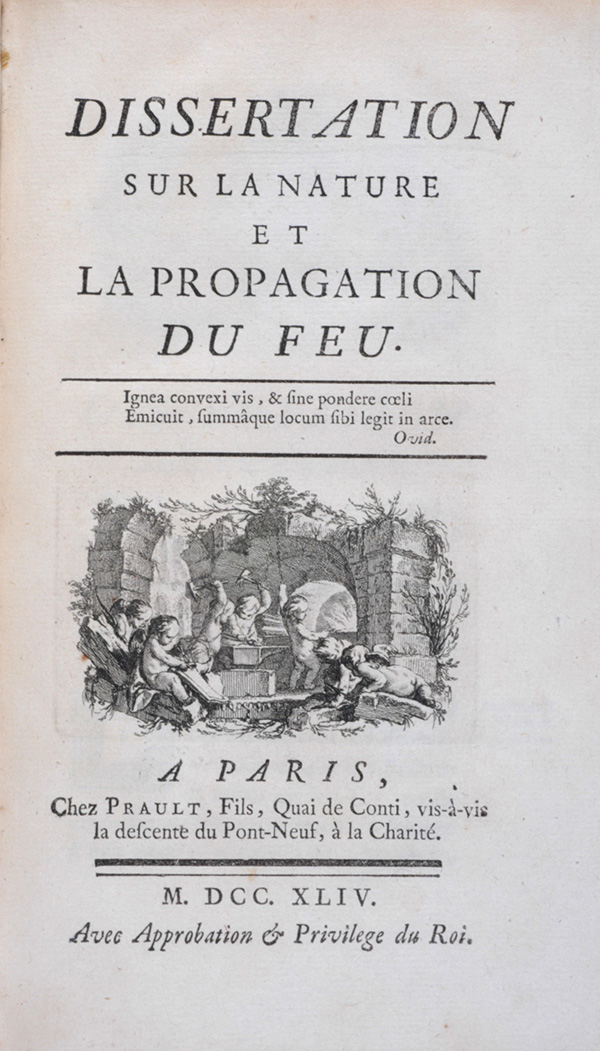
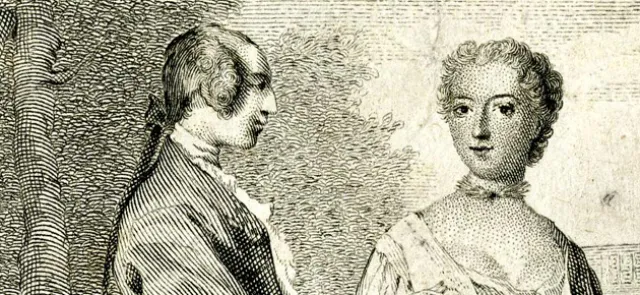
It is revealing, however, that at first she did not dare to contradict Voltaire while he was carrying out experiments on fire for an Académie des sciences competition: "Mr de Voltaire's work, which was almost finished before I had begun mine, gave me ideas and made me want to follow the same path. I set to work without knowing whether I would submit my paper, and said nothing to Mr de V. because I did not want him to see me blush over an undertaking I feared would displease him. Moreover, in my paper I challenged almost all his ideas. I told him nothing of this until I learned from the gazette that neither of us had won the prize."
Ultimately, Émilie du Châtelet's paper was published by the Académie des sciences—a first for a woman. One journalist of the time, Pierre-François Guyot Desfontaines, also made a point of criticizing the shortcomings of Voltaire's paper while praising the clarity of the marquise's methods and the ingenuity of her experiments.