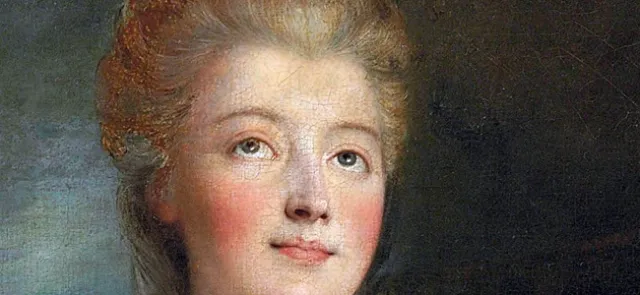
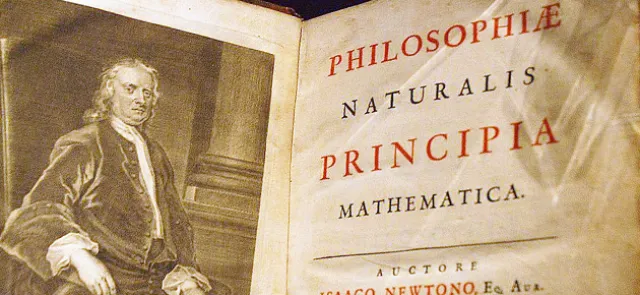
The premature death of the Marquise du Châtelet in 1749, just as she was putting the finishing touches to her translation and commentary of the Principia, the masterwork of Isaac Newton (1642–1727, see the article), marks the end of a scientific career that had likewise begun in the great English scholar's shadow.
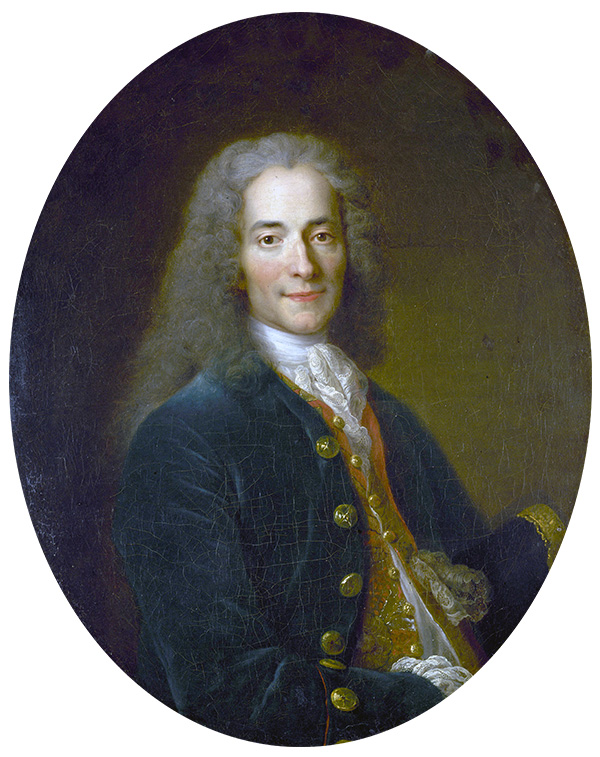
When she became passionate about science in 1734, Newtonian theories were being hotly debated in France. This was thanks in part to the Lettres anglaises of her new companion, Voltaire (1694–1778), which appeared in French that same year, after an English edition published in 1733. In this highly personal account of a trip to England he had made a little earlier, during which he had attended Newton's funeral and familiarized himself with the broad outlines of his work, Voltaire describes for the general public everything that sets Newtonian theories apart from the Cartesian theories then favored by French scholars (see box).