To the general public, Émilie du Châtelet (1706–1749) is, unfortunately, known chiefly as Voltaire's mistress. Yet she was a true scholar: a mathematician and physicist, not only Newton's translator but also a philosopher of science and the author of the Institutions de physique, which was translated several times and remained authoritative throughout Europe for decades.
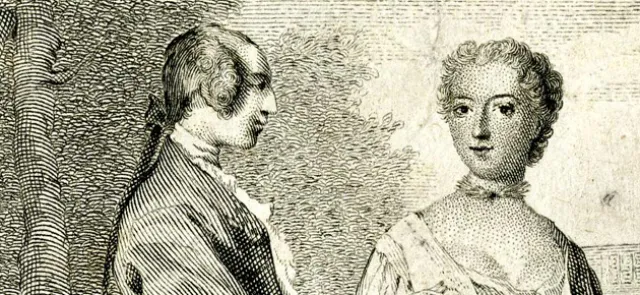
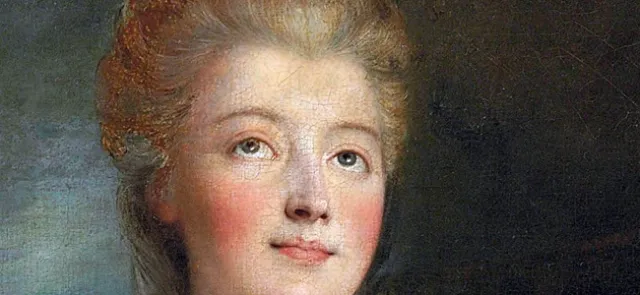
Yet the marquise was also an aristocrat who enjoyed spending her nights gambling with friends or having a good time with her lovers. The last of them, the Marquis Jean-François de Saint-Lambert (1716–1803), was a career soldier who turned many heads. He first attracted the attention of the Marquise de Boufflers (1711–1786), the official mistress of King Stanislas Leszczynski of Poland. In 1746, returning from the war to find that Mrs de Boufflers had replaced him, he seduced Émilie du Châtelet. For her, it became an overwhelming passion in every sense of the word: by turns, she was madly in love and happy, jealous and distrustful, lonely and miserable. Yet throughout this emotional storm, she continued working, particularly on her translation of Newton. Her death, directly linked to this passion, would leave the translation unfinished. Here are some extracts from letters written exclusively by the marquise, showing how difficult it was to be a woman mathematician in love. For a man, matters are different: a man cannot die in childbirth…
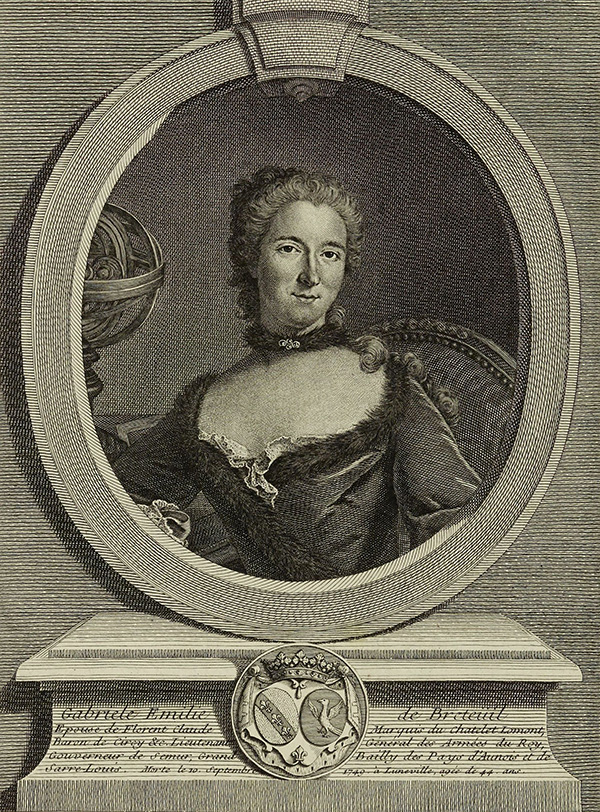
Engraving of Gabrielle Émilie de Breteuil, Marquise du Châtelet
painted by Marianne Loir (1751).