-
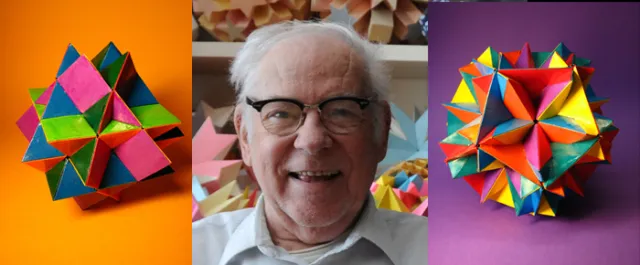
At St George's School in Hampstead, he met John Flinders Petrie (1907–1972), sparking their shared passion for polyhedra.
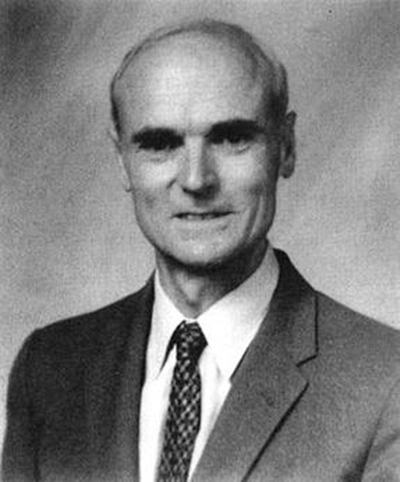
Coxeter entered Trinity College, Cambridge, in 1926 and defended his thesis in 1931. He had previously received the prestigious Smith's Prize in 1929. During these years, he met the Canadian mathematician Gilbert de Beauregard Robinson (1906–1992); they would remain friends, and later colleagues, for 56 years, until Robinson's death. Robinson encouraged Coxeter to learn a little group theory. At Cambridge, he also met Alicia Boole Stott (1860–1940), George Boole's daughter: she was over 70 at the time, yet their collaboration proved highly productive! In his famous book Regular Polytopes (Methuen, 1947), Coxeter repeatedly acknowledges the contributions of "Aunt Alice".