



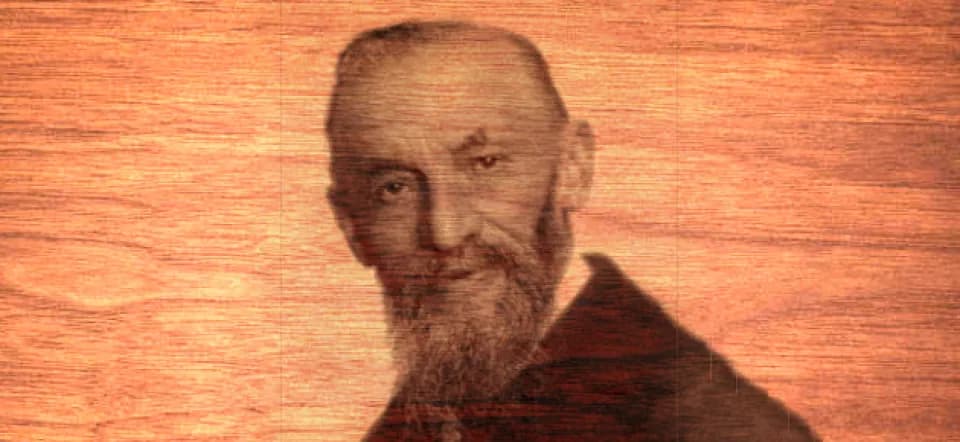
Le terme formalisme est souvent utilisé de manière ambiguë dans l’étude des sciences. Il peut désigner trois grandes acceptions : logique, mathématique ou philosophique. Giuseppe Peano (1858-1932) a contribué aux trois facettes du formalisme, bien que son influence ait été plus marquée dans les domaines de la logique et des mathématiques que dans la philosophie des mathématiques.
Parmi les résultats mathématiques les plus marquants de Giuseppe Peano figurent ses recherches sur les concepts de courbe et de surface géométriques, ses contributions aux fondements du calcul différentiel et intégral. Néanmoins, deux constructions restent aujourd’hui particulièrement connues du grand public : d’une part, la courbe de Peano, un exemple d’une courbe remplissant l’espace. Il en expose le principe dans un petit article de quatre pages écrit en français dans les Mathematische Annalen sous le titre Sur une courbe, qui remplit toute une aire plane, paru en 1890. Il résume ainsi l’article : « on détermine deux fonctions x et y, uniformes et continues d’une variable (réelle) t, qui, lorsque t varie dans l’intervalle (0, 1), prennent toutes les couples de valeurs telles que 0 ≤ x ≤ 1, 0 ≤ y ≤ 1. Si l’on appelle, suivant l’usage, courbe continue le lieu des points dont les coordonnées sont des fonctions continues d’une variable, on a ainsi un arc de courbe qui passe par tous les points d’un carré. » David Hilbert, en 1896, puis Henri Lebesgue, en 1904, s’en inspireront pour créer d’autres modèles de courbes remplissantes (voir les courbes suivantes).