


En 1770, on ne sait pas encore s’il est possible de résoudre par radicaux les équations de degré supérieur à 5. Il existe des formules pour les degrés 2, 3 et 4 (voir article « Avant Abel et Galois ») mais on ignore s’il existe une formule pour le degré 5. Lagrange, avec clarté, lucidité et méthode, va analyser le problème, étudiant avec soin le degré 3 et le degré 4, en s’appuyant sur des références historiques (Cardan, Descartes, Euler…). Son mémoire Réflexions sur la résolution algébrique des équations (1770−1771) sera une référence incontournable pour tous les mathématiciens, au début du XIXe siècle, travaillant sur les équations algébriques.
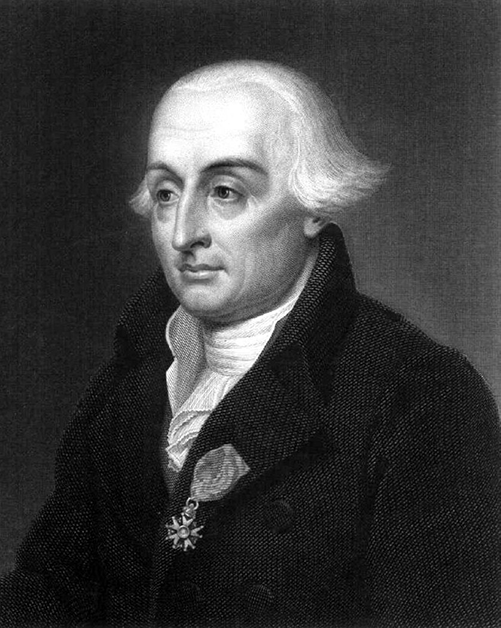
Joseph-Louis Lagrange (1736 —1813).
Vers une équation plus simple
Lagrange s’intéresse aux transformations d’expressions algébriques dépendant des racines des équations proposées. Son idée est, à partir d’une équation donnée, de rechercher une équation « plus simple à résoudre », soit parce qu’elle est de degré inférieur, soit car elle se ramène à une équation de degré inférieur.