

La genèse de Cabri
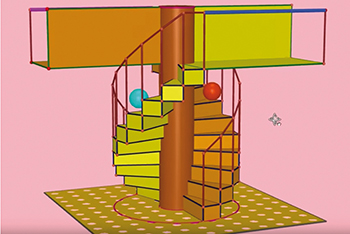
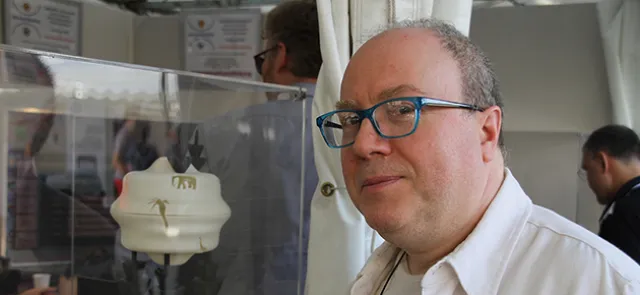
En France, de nombreux logiciels se sont implantés, surtout destinés à l’enseignement et utilisés par les élèves et étudiants comme par les professeurs. Le plus notable d’entre eux, « le » logiciel historique, est Cabri Géomètre, né en 1985, à l’initiative de Jean-Marie Laborde, mathématicien, informaticien et chercheur en mathématiques discrètes, et d’une petite équipe qui l’entourait à l’époque. À l’origine « Cahier de Brouillon Interactif » pour la géométrie, ce logiciel permettait d’explorer les propriétés des objets géométriques et leurs interactions.
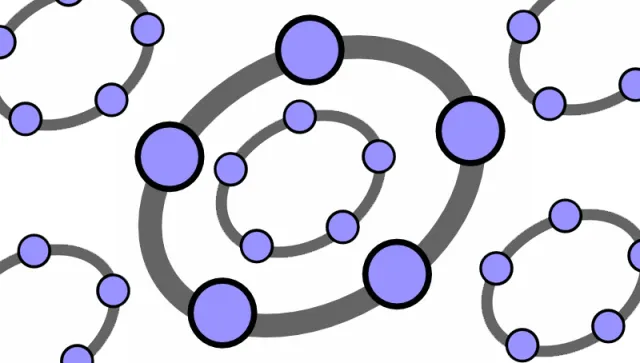
Développé à destination des élèves du secondaire, le logiciel commercial Cabri - car très vite c’est ainsi qu’on l’appellera - a pour l’enseignement une qualité notoire : si, avec la souris, on déplace l’un des éléments de base d’un dessin, le tracé se déformera en respectant les principes de base de sa construction. Si l’on a construit un parallélogramme à l’aide d’un tracé de parallèles ou en exploitant le milieu commun des diagonales, le déplacement d’un des sommets modifiera peut-être les angles ou les dimensions des côtés, mais la figure restera toujours un parallélogramme. Cabri est ainsi un logiciel « éducatif », moteur dans l’acquisition de connaissances spécifiques à la construction de figures géométriques. Il permet à l’élève d’être acteur dans l’interprétation des données numériques et des symboles de la géométrie, ce qui va incontestablement l’aider dans la construction de son savoir, en algèbre comme en géométrie.