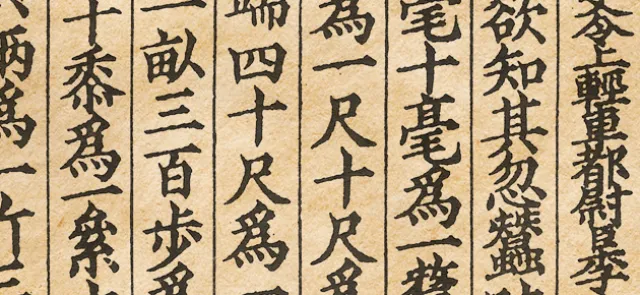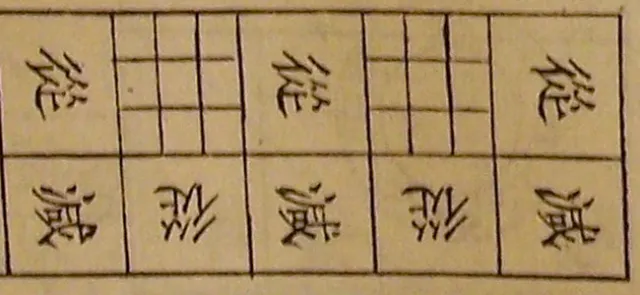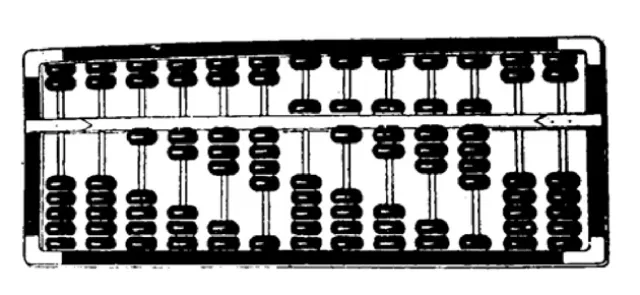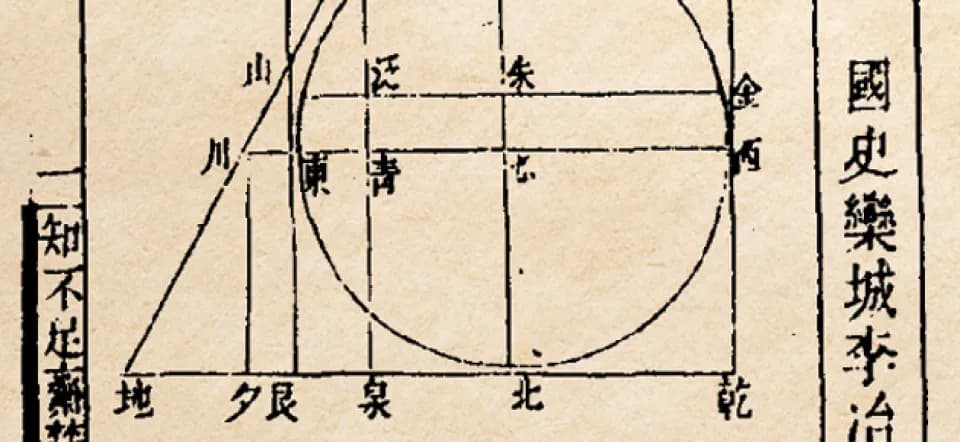
Science and technology develop within a framework shaped by the conditions of their time, in response to the demands of society. Mathematics is no exception to this rule. In China, the Song (960-1279, see box below) and Yuan (1279-1368) dynasties played a crucial role in the development of mathematics. From the middle of the first millennium BCE, a number of mathematical texts, the Ten Classics, were used as textbooks in state educational institutions (see the article "Sources and variety of so-called Chinese mathematics"). At first glance, these texts seem mainly concerned with administrative matters and the elaboration of calendars, but many elements of abstraction and generality show through beyond the text. Their commentaries reveal close attention paid to proving the correctness of algorithms and to expressing generality, as Karine Chemla has shown.
The place of mathematics under the Song
-----------------------------------------
Under the Northern Song, that is before 1127, the technique of woodblock printing was highly developed. At that time, the bureau responsible for old and new books, for recording the country's major events, and for overseeing astronomical work and calendar calculations held the Nine Chapters on Mathematical Procedures as well as various works used as textbooks in schools and institutions. This is the oldest known set of printed textbooks recorded in Chinese history.
When the Ten Classics were first printed under the Northern Song, their purpose was to set the standards for teaching at the Imperial Academy and for the national examinations, just as under the Tang dynasty. Yet mathematics was not taught regularly and seemed to go through periods of favor and disfavor. For example, after mathematics disappeared from the disciplines of the Imperial Academy, an imperial decree ordered its restoration in 1084, leading to the renovation of the mathematics institute's buildings. Even so, less than two years later, it was decided to drop the subject again, since the general feeling was that it represented an excessive expense and did not help govern the country. Under the Southern Song, mathematics examinations were finally abolished once and for all and would never be reinstated.