


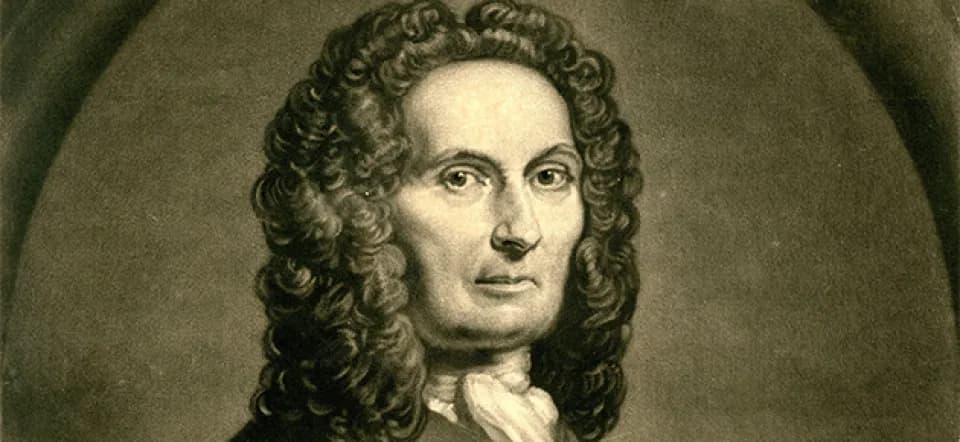
Si des phénomènes de régularité statistique avaient été observés et quantifiés dès le milieu du XVIIIe siècle par de grands mathématiciens comme de Moivre, Laplace et Gauss, il a fallu attendre le XXe siècle pour que des formalisations complètes et des démonstrations convaincantes des propriétés soient proposées. On réduit souvent l'ensemble des lois des grands nombres au seul théorème dit « central limite ». Cette appellation est due au mathématicien George Pólya qui l'utilisa dans un article daté de 1920, qui s'intitulait « Über den zentralen Grenzwertsatz der Wahrscheinlichkeitsrechnung », ce que l'on peut traduire littéralement par « Sur le théorème central limite du calcul probabiliste ». Quel est le contenu de ce théorème ? Il concerne ce que l'on nomme la « convergence en loi », entendez par là « en loi de probabilité ». Ce résultat concerne des distributions de probabilité de variables et non ces variables en elle-même !
-
La distribution normale
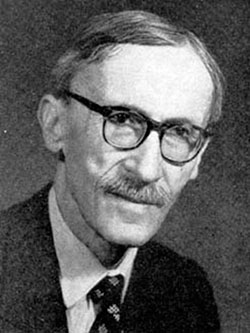
La distribution normale possède l'agréable propriété de stabilité pour l'addition, qui fait que sa tabulation est aisée : toute combinaison linéaire de distributions normales indépendantes est également une distribution normale. Ce théorème possède une réciproque : si une somme de variables aléatoires indépendantes est normale, alors chaque terme de la somme l'est également ! Mais il y a beaucoup plus. Toute somme de variables indépendantes et équidistribuées (obéissant à la même distribution de probabilité, ce qui se note « i.i.d. » en référence à l'expression « indépendante et identiquement distribuées »), de variances finies, mais non nécessairement normales est asymptotiquement normale.