A few constructions
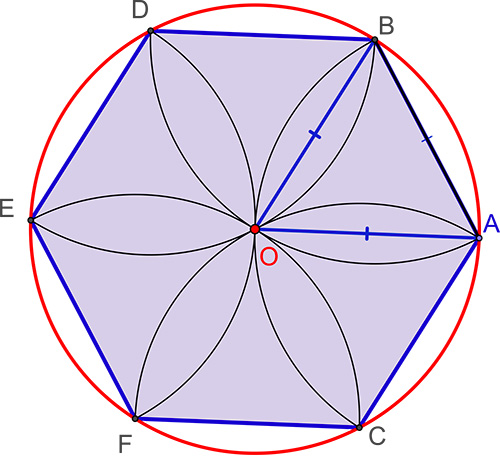
It is always useful to know how to construct the first constructible regular polygons with straightedge and compass. These procedures directly provide methods for calculating the various lengths in the figure.


It is always useful to know how to construct the first constructible regular polygons with straightedge and compass. These procedures directly provide methods for calculating the various lengths in the figure.


Articles recommended for you.

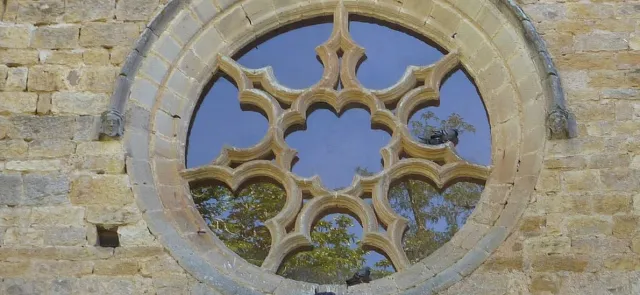
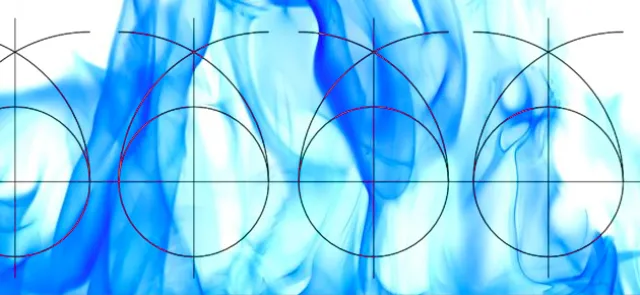
Several centuries before the Renaissance, whether building a church or a fortress, builders needed only a compass and an unmarked straightedge to draw arcs, pointed arches, basket-handle arches and rose windows. Let us explore the basic geometry behind their methods.

The word "inequalities" often brings arithmetic or algebra to mind. But inequalities also have their place in geometry! The most famous of them, the celebrated triangle inequality, still has more than one trick up its sleeve.

Engineer Henri Pitot (1695–1771) is remembered for the tube that bears his name, which he proposed in 1732 to "measure the speed of flowing water and the wake of ships" and which is still widely used in aerodynamics. But geometry was this self-taught scholar's first love.

Theory tells us that a regular seventeen-sided polygon—a heptadecagon—can be constructed using only a straightedge and compass. But it gives no details of the construction, which is far from straightforward.
Discussion
Sign in to post a comment and talk with other readers.
No comments yet. Be the first to respond.