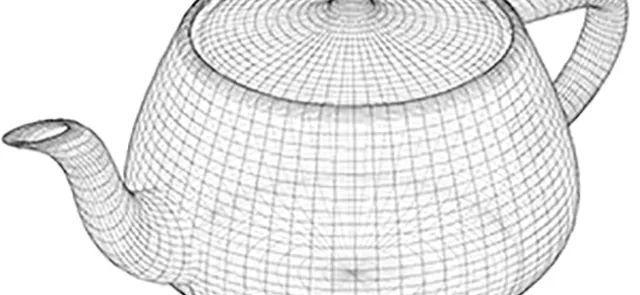
Have you seen Avatar, directed by James Cameron (Twentieth Century Fox France, 2010)? In this film, as in Shrek (Andrew Adamson and Vicky Jenson, 2001), Wall-E (Andrew Stanton, 2008), Frozen (Chris Buck and Jennifer Lee, 2013), and so many others, computer-generated animation plays a central role. When you think about it, this means that someone created a series of instructions for a computer to produce the finished result.
This is not a matter of having a computer draw a chair or a table! A computer is asked to represent a natural landscape, with varied terrain and moving characters. Obviously, one cannot afford to specify the position of coloured pixels frame by frame; it would be too tedious and unmanageable, both in terms of memory requirements and processing time. A trick must therefore be found to save computing time, otherwise no computer will be able to complete the task.
The fractal nature of the world
---------------------------
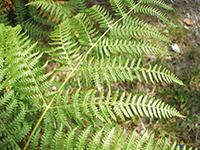
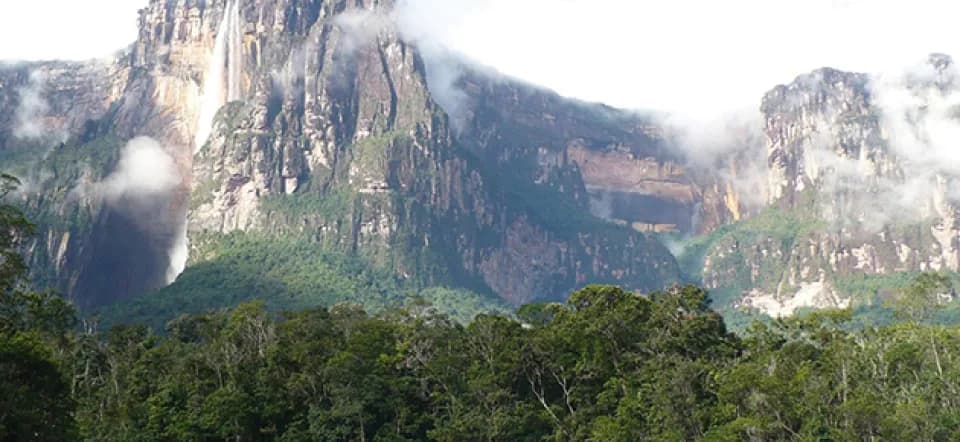
To begin with, it seems simpler to consider an inanimate object, such as a table. This piece of furniture is well defined: four legs, a vanishing point, a horizontal top at a certain height, and a little shadow are enough to depict it. But what happens when we take a landscape like the one opposite? The complexity is such that we do not even know where to begin!